2 Days in Verona: The Itinerary I’d Follow If I Could Go Back
I only had one day in Verona—and I regretted it almost immediately.
It wasn’t because I didn’t see enough. I saw the Arena, wandered through the piazzas, ate incredible pizza, and ended the day watching the light fall over the rooftops from Castel San Pietro. But it all felt just a little too rushed. Like I was moving through the city instead of really being in it.
So this is the version I wish I had planned from the start.
If you’re spending 2 days in Verona (or planning a relaxed 48 hours here), this itinerary follows the exact route I’d take if I went back tomorrow—with the right pacing, the stops that are actually worth your time, and the ones I’d skip without hesitation. Day 1 is exactly what I did. Day 2 is everything I’d add now that I know how the city flows.
Along the way, I’ll also point out what’s worth booking ahead, where the Verona Card actually makes sense, and a few small decisions that make a big difference once you’re there.
Because Verona isn’t a checklist city. It’s the kind of place that rewards slowing down—lingering in a piazza, taking the longer route, and staying just a little past sunset.
And if you give it that space, it gives something back.
This site uses affiliate links. If you purchase through them, I may earn a commission at no extra cost to you. Thank you for your support!
verona card
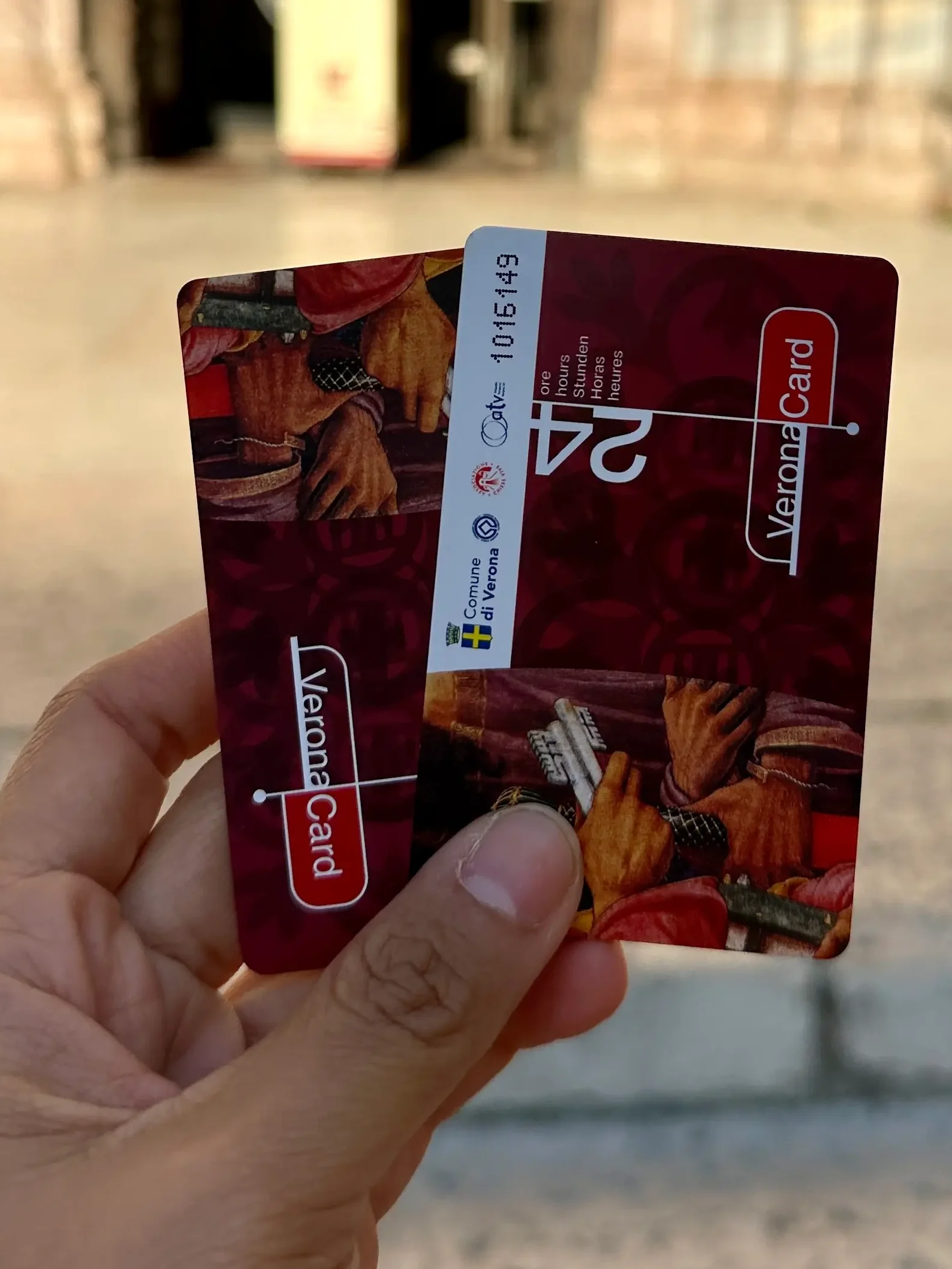
If you’re planning to visit multiple attractions, I highly recommend getting the Verona Card.
It gives you free or priority access to major sites like the Arena di Verona and Juliet’s House, and it can save you both time and money.
I saved $20 during my visit to Verona just on the attractions I really wanted to see!
Before You Go: Get Your Verona Card
If you’re spending 2 days in Verona, the Verona Card makes the whole itinerary easier to follow.
We grabbed it mainly for the Arena… and then ended up using it everywhere else to keep things simple. That said, it’s not about squeezing value out of every euro — it’s about making your time flow better.
Which one to get:
- 24-hour card: about €27
- 48-hour card: about €32
→ For this itinerary, the 48-hour version is the obvious choice. It gives you enough time without rushing.
Where to get it:
- Buy online, then pick up the physical card
- Collect at the IAT Tourist Office (Via Leoncino 61, near Piazza Bra)
Quick Tip: Your Verona Card activates on first use, not when you buy it. Start it at your first major attraction in the morning so you get the full value of your 24 or 48 hours.
What it includes (and what it doesn’t):
- Arena entry included (use Gate 5 to skip the line)
- Free entry to major museums and churches such as Castelvecchio Museum, Juliet’s House, Torre dei Lamberti (stairs), Sant’Anastasia, the Duomo complex, and the Roman Theatre Museum.
- Juliet’s House requires a reserved time slot in advance (select “VR Card”)
- Torre dei Lamberti elevator costs €1 extra
- The funicular to Castel San Pietro is NOT included
Important to know:
- All civic museums are closed on Mondays
- Don’t activate the card on a bus if your first stop is the arena—wait and use it there
We went in thinking we’d just use it for the Arena and see what else fit. But because the Arena was partially restricted when we visited, I felt a little underwhelmed at first.
Castelvecchio completely changed that — that stop alone made the card feel worth it. The best way to use it is as a structure tool, not a checklist. Let it guide your route, but don’t try to maximize every single entry (it can be very exhausting).
If you want to do the math on whether the card actually pays off for your trip, I broke it down stop-by-stop in my Verona Card guide.
Day 1 — The Città Antica Loop
Start in Piazza Bra and end at Castel San Pietro. This route follows a clean, walkable loop through Verona’s historic center without doubling back or rushing.
Plan for 8 to 9 hours at a relaxed pace, including time to sit, eat, and actually enjoy where you are—not just move through it.
Morning: Arena di Verona + Piazza Bra
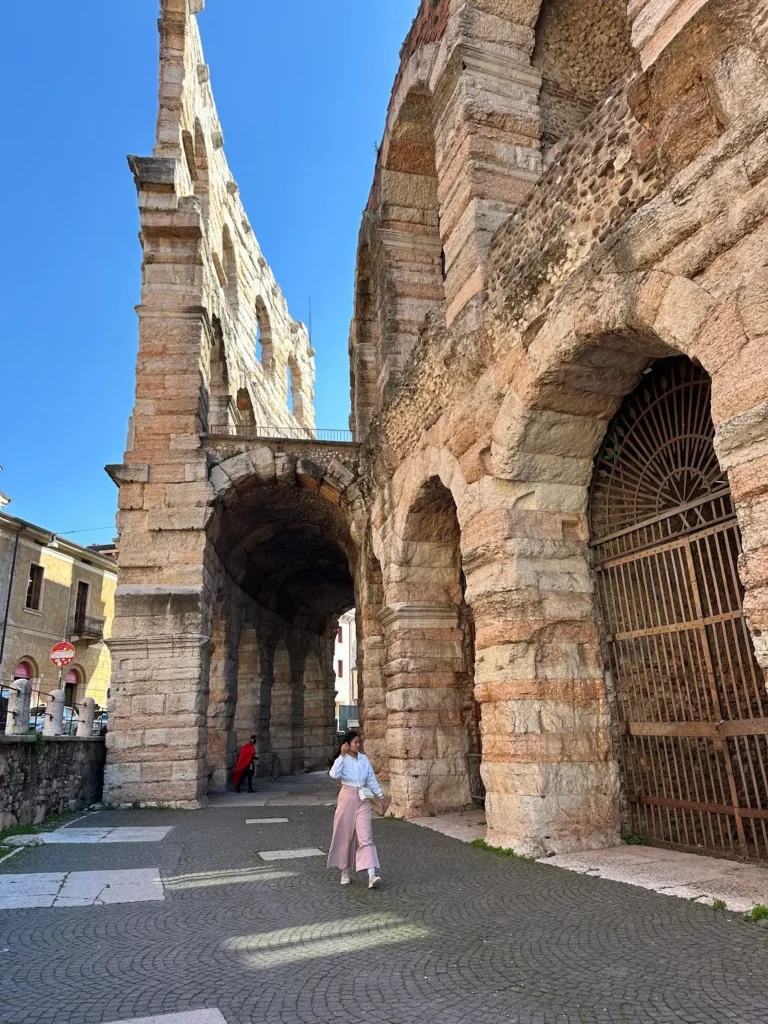
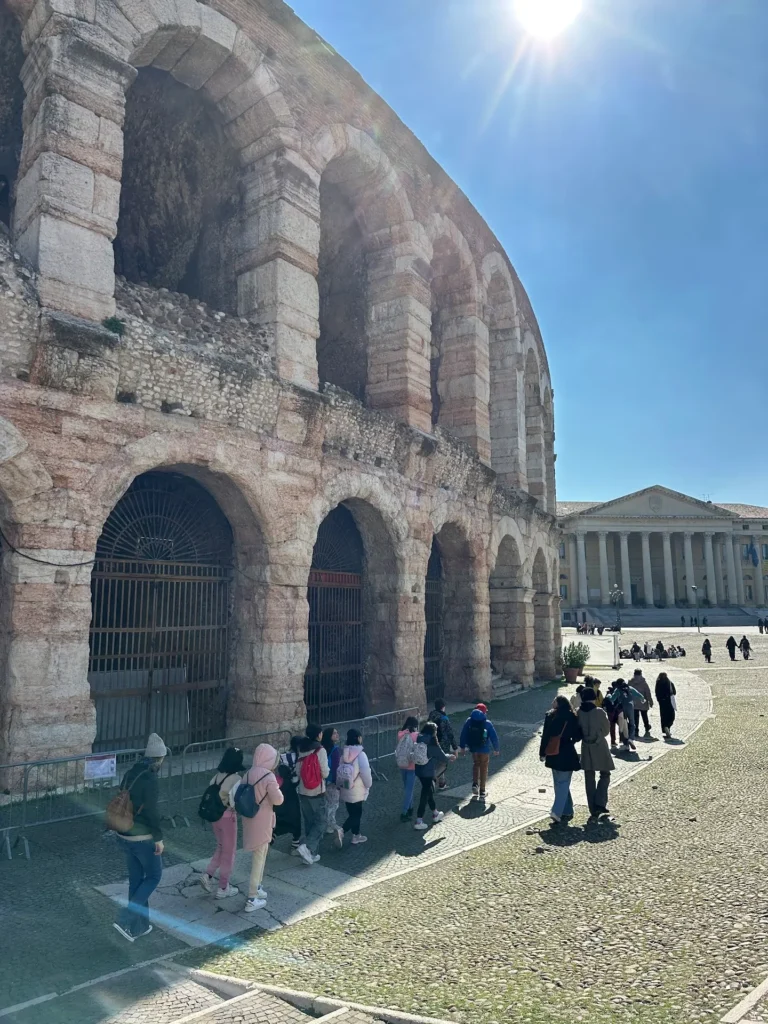
Start early and pick up your Verona Card first from the IAT Tourist Office near Piazza Bra. Then head straight to the Arena and use Gate 5 for fast-track entry.
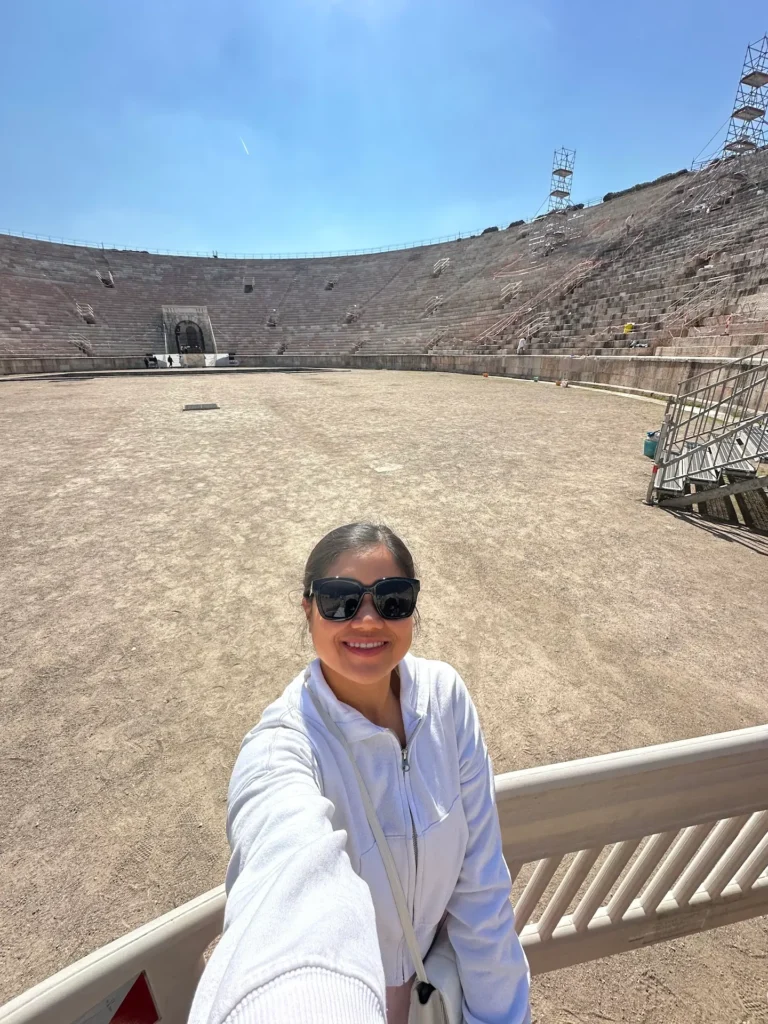
Standing inside a Roman amphitheater that’s still in use feels different than you expect. Even when we visited in March 2025—with parts of it closed off due to renovations—it still gave me chills. There’s something about the scale of it, the stone, the history, that makes it feel alive.
That said, I’ll be honest — I did feel a little underwhelmed at first. There was a fence near the entrance, and we couldn’t fully walk around inside, which made the experience feel limited.
Since then, major renovations were completed for the 2026 Winter Olympics, so access may now be much more open. It’s worth checking current conditions before you go, but even with partial access, it still felt like a place you shouldn’t skip.
If you’re visiting in summer, this is where I’d do it differently. I wouldn’t just walk through—I’d come back at night for the opera. That feels like the version of the Arena that stays with you. After the Arena, don’t rush off.
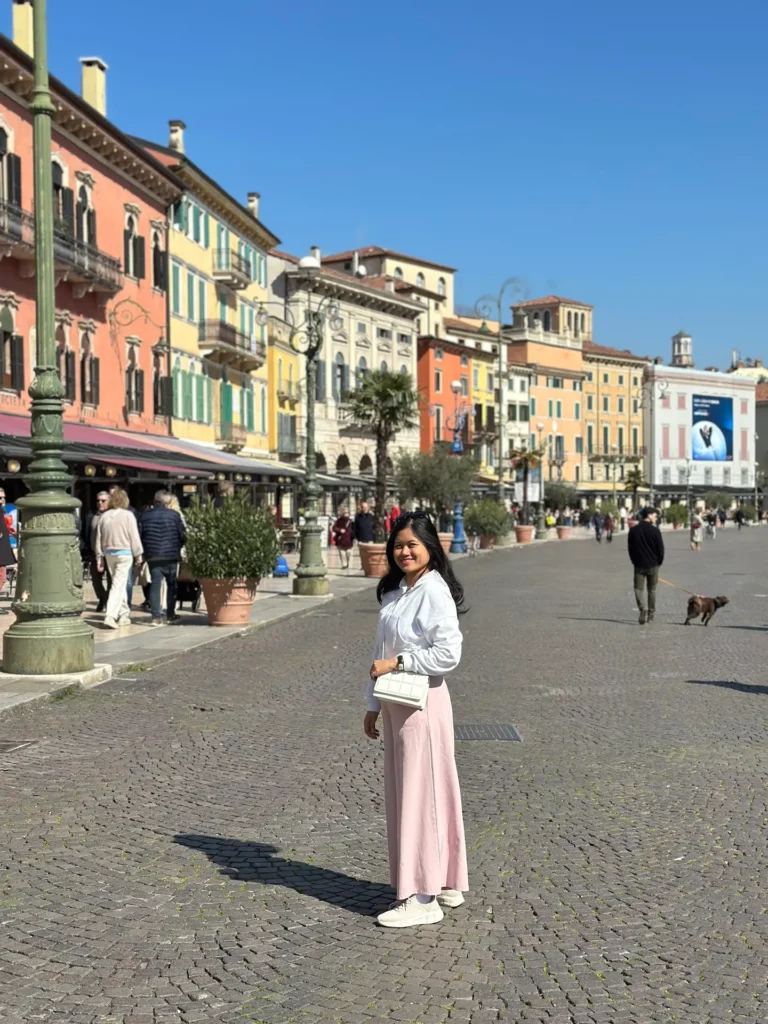
Piazza Bra is the kind of place that opens up slowly. The colors, the buildings, the mix of locals and travelers — it has energy, but it never felt overwhelming. We sat down for a coffee and just watched the city move for a bit, and that ended up being one of my favorite parts of the morning.
If you want a deeper feel for the city, I also wrote a guide on what each piazza in Verona actually feels like.
Mid-Morning: Castelvecchio Museum + Scaliger Bridge
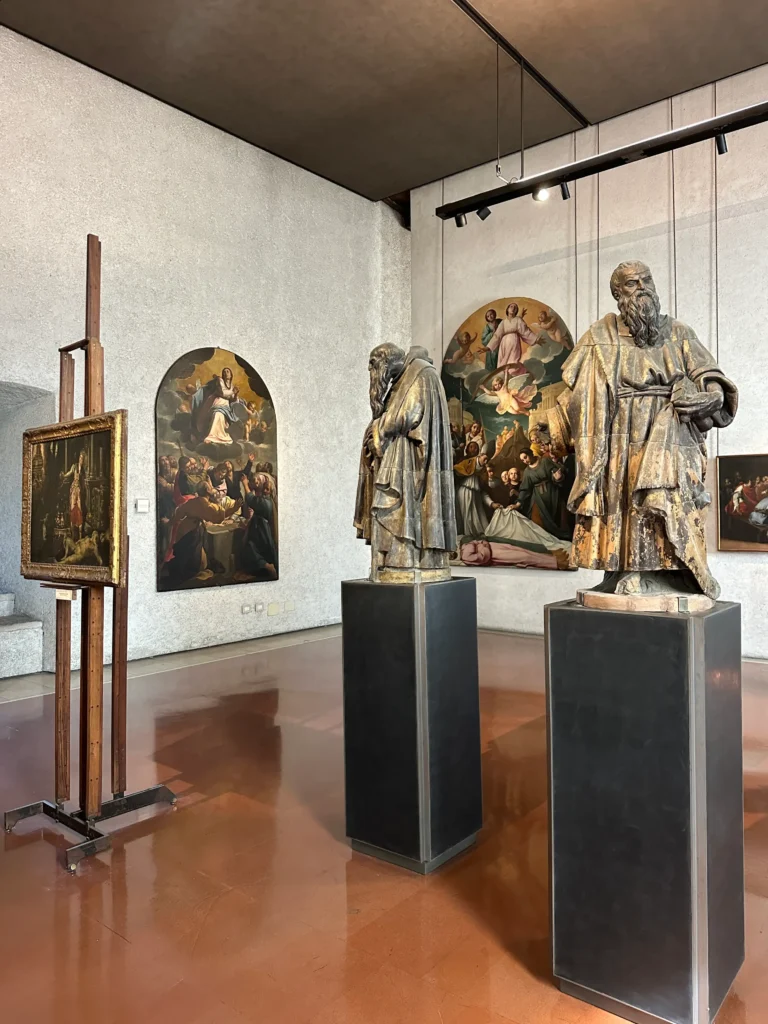
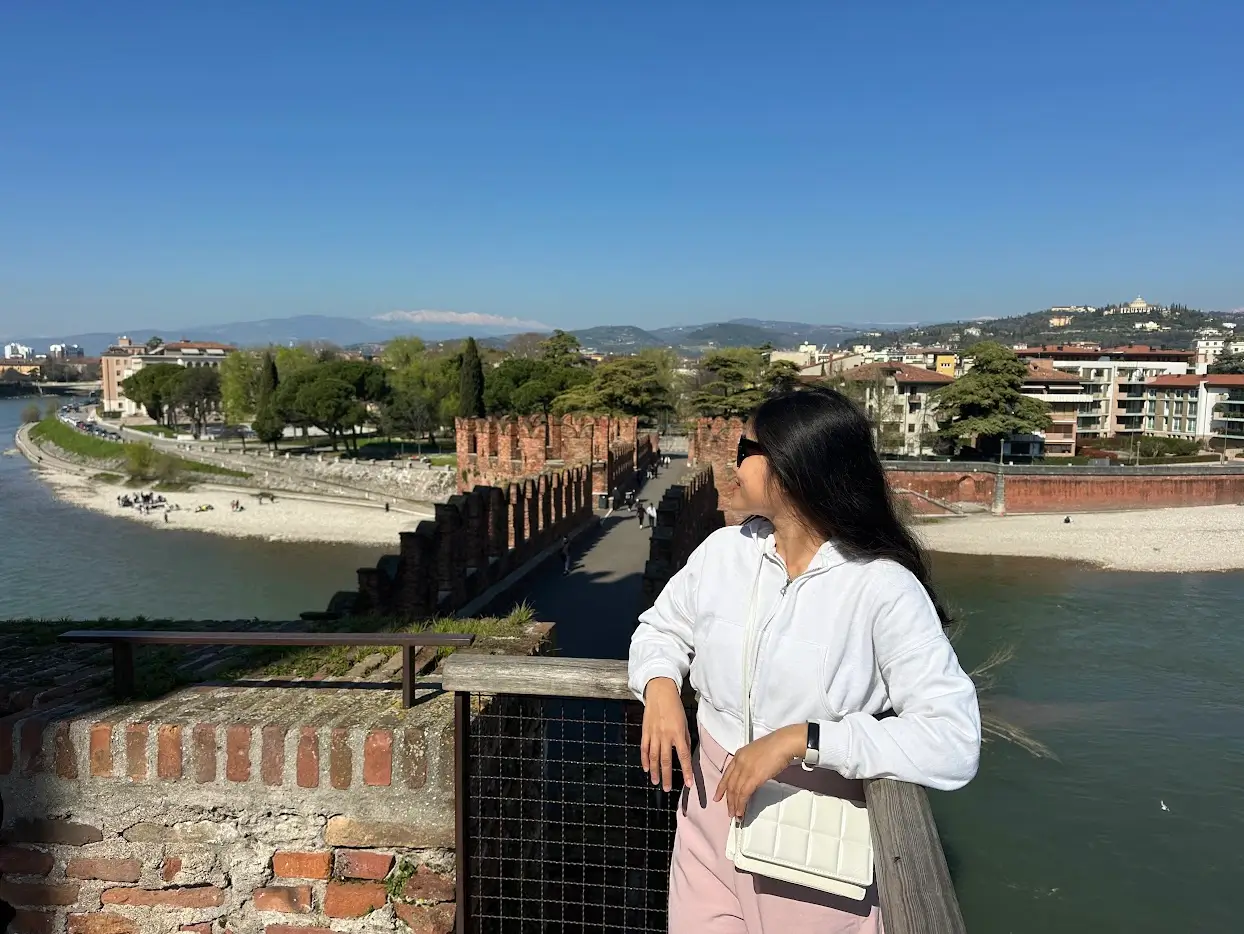
Time needed: 45 minutes to 1 hour (museum + bridge walk)
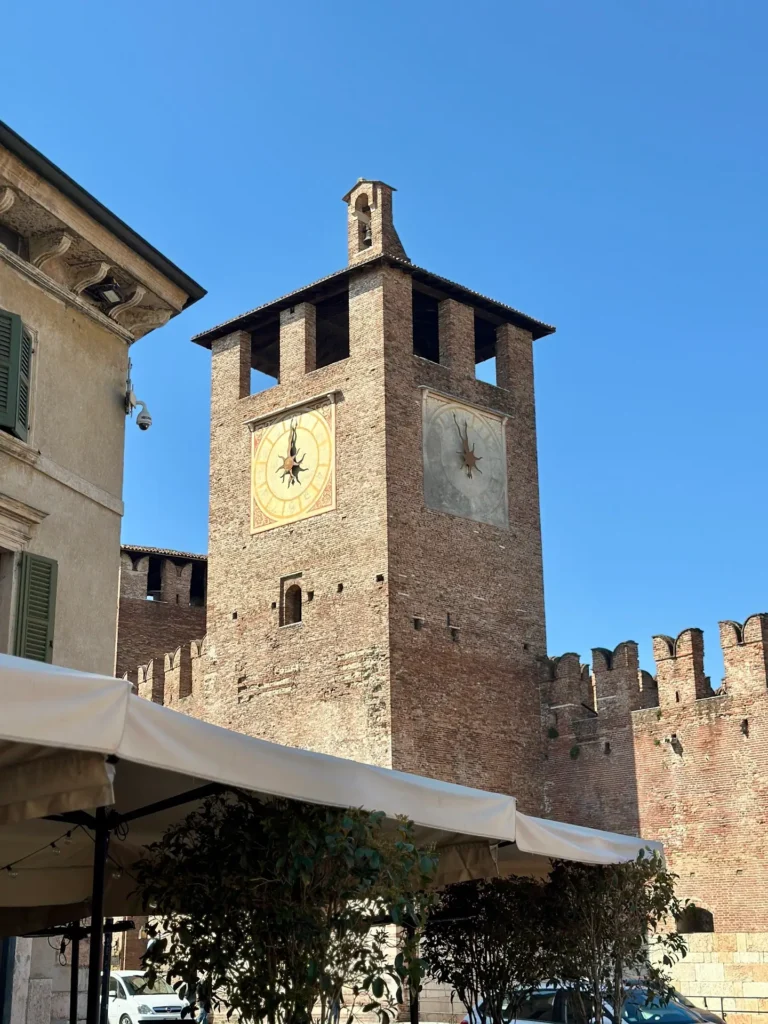
This was the part of the day that surprised me most. From the Arena, walk over to Castelvecchio—it’s an easy, direct route and feels like a natural shift away from the crowds. The museum itself holds a mix of medieval, Renaissance, and some modern works, including a small Holocaust exhibition.
Honestly, the art was interesting — but it wasn’t what stayed with me.
What I remember most is stepping outside. Walking along the fortress walls and then crossing the Scaliger Bridge felt quiet, scenic, and almost cinematic. The Adige River flowing below, the red brick around you, and noticeably fewer people than at the Arena — it was one of those moments that felt better than expected.
It’s also a natural transition point in the route. From here, you can see the river clearly before heading deeper into the centro, and it makes the shift into the next part of the city feel more grounded.
Because the Arena felt a bit limited when we visited, this stop ended up being the one that made the Verona Card feel worth it. If you’re short on time, don’t skip this.
Pro Tip: The Verona Card is especially useful here since entry is FREE with the card.
Lunch: Pizza & Gelato or Osteria
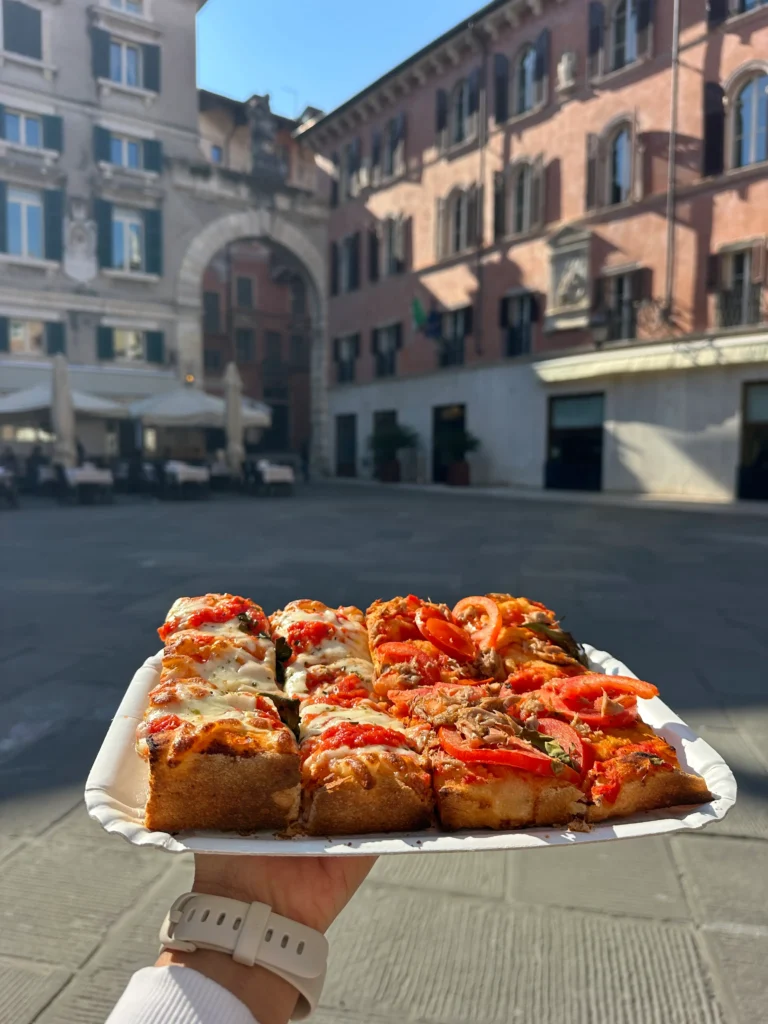
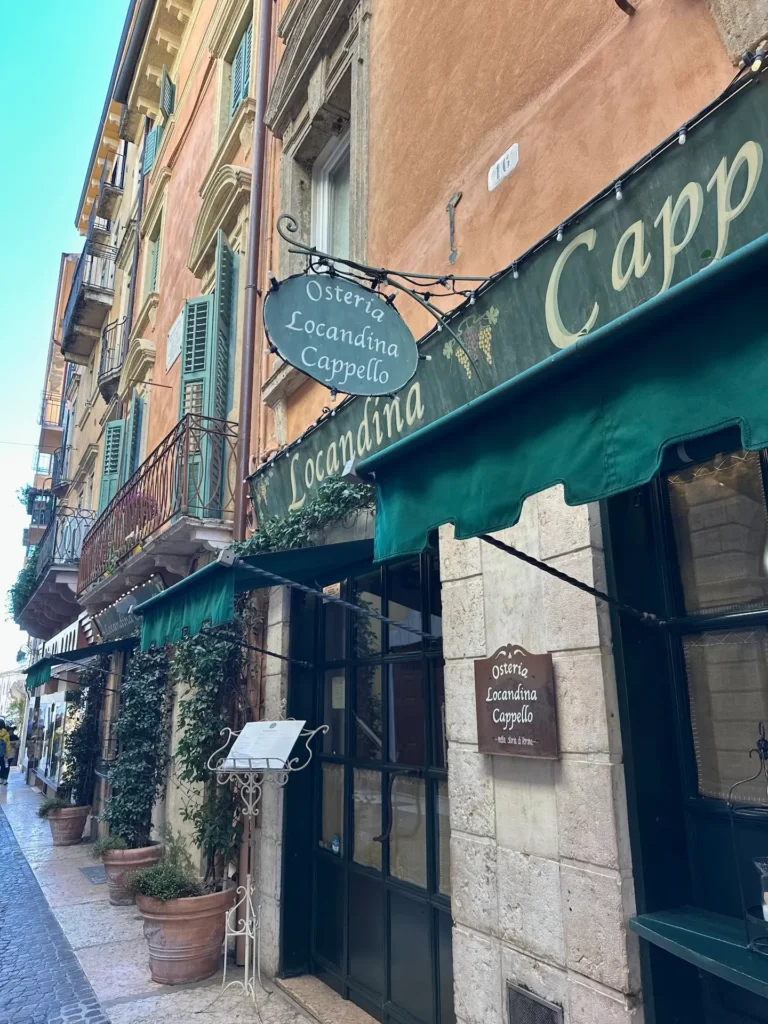
From Castelvecchio, the walk toward Piazza delle Erbe is short and easy — it’s the kind of transition that naturally pulls you back into the center of the city.
This is where I’d stop for lunch.
We ended up at Cruncheria, near the Torre dei Lamberti area, and it was one of the best food surprises of the trip. This was one of the core memories we had in Verona. I was surprised that I enjoyed the pizza, since I’m not a pizza person.
Would I recommend going here? Definitely! If you’re curious about the best pizza places in Verona, I wrote a full blog here.
Find a spot to sit, slow down, and actually enjoy it. Watching the piazza while you eat is part of the experience—not something to rush through.
That said, this is also where I’d do things slightly differently next time.
Aside from pizza and gelato, we didn’t go to a proper osteria—and I know from years of travel that those simple, family-run places are usually where the best meals happen. If you have time, I’d leave space for one. Nothing fancy, just a small menu and house wine.
Either way, don’t overplan this part. Lunch in Verona is less about where you go and more about giving yourself time to enjoy it.
If you want a few reliable options ahead of time, check out where to eat in Verona. It helps you decide quickly so you can spend less time choosing and more time enjoying your trip.
Afternoon: Piazza delle Erbe + Piazza dei Signori + Torre dei Lamberti (Optional)
From lunch, you’re already exactly where you need to be.
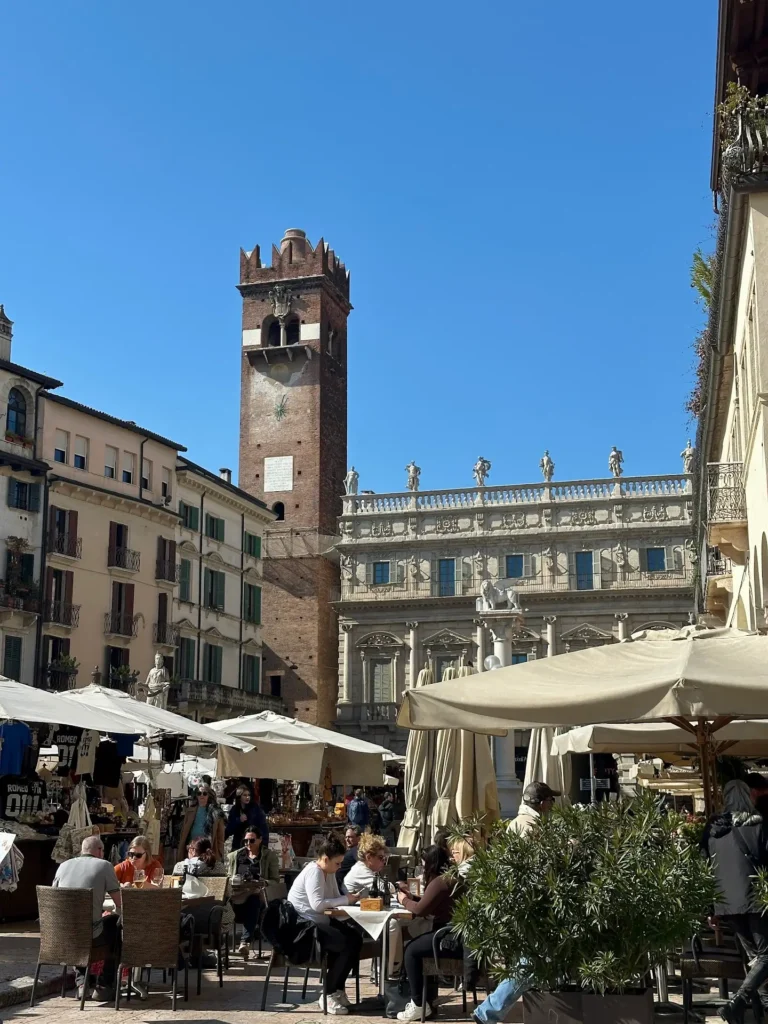
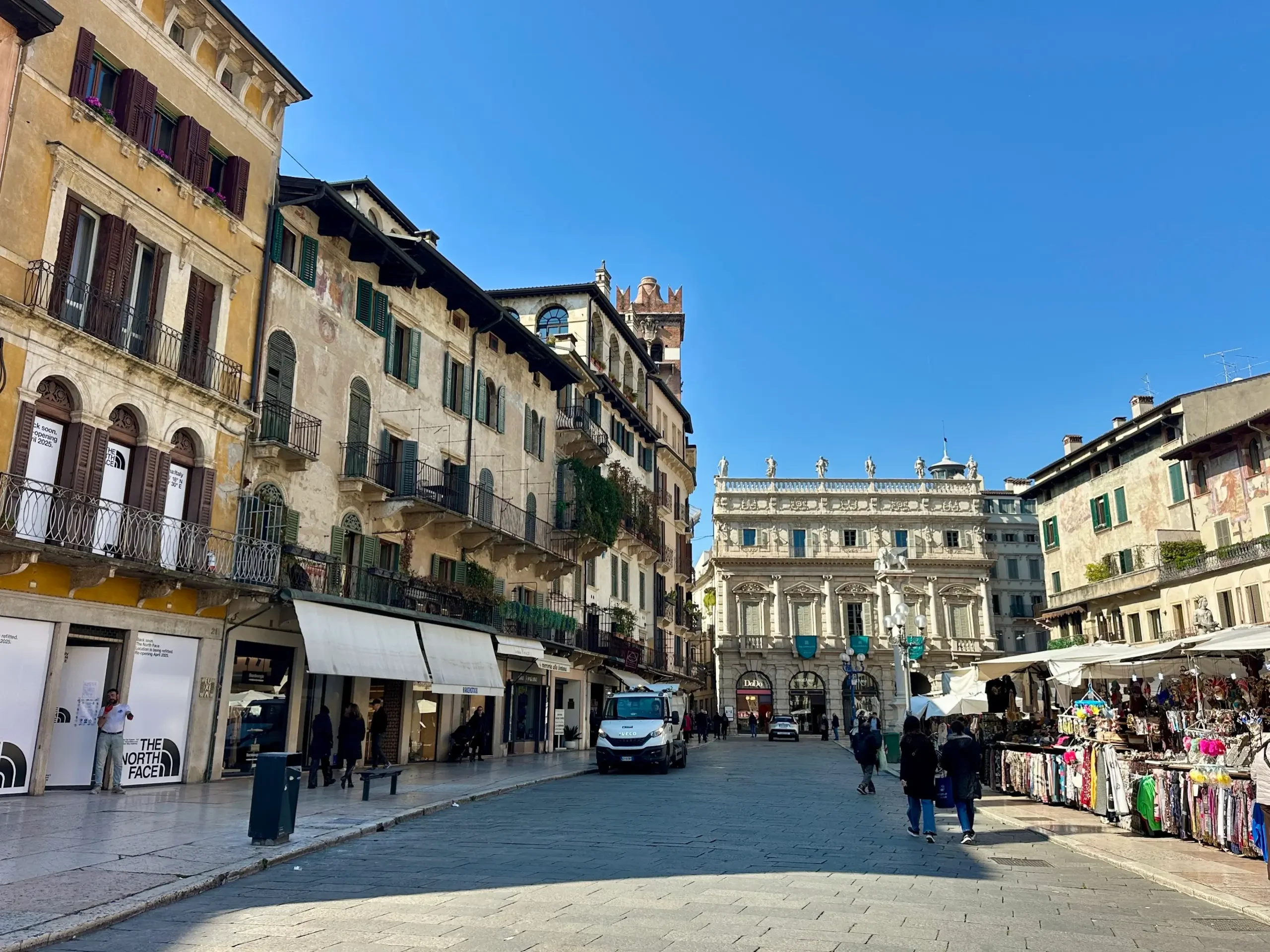
Piazza delle Erbe is one of those places that feels layered the moment you step into it. I can say, it’s lively, a little chaotic, and full of movement—market stalls, colors, and people passing through. It actually reminded me a lot of the Sunday markets in Vienna, just with a more Italian rhythm to it.
A few minutes away, everything shifts.
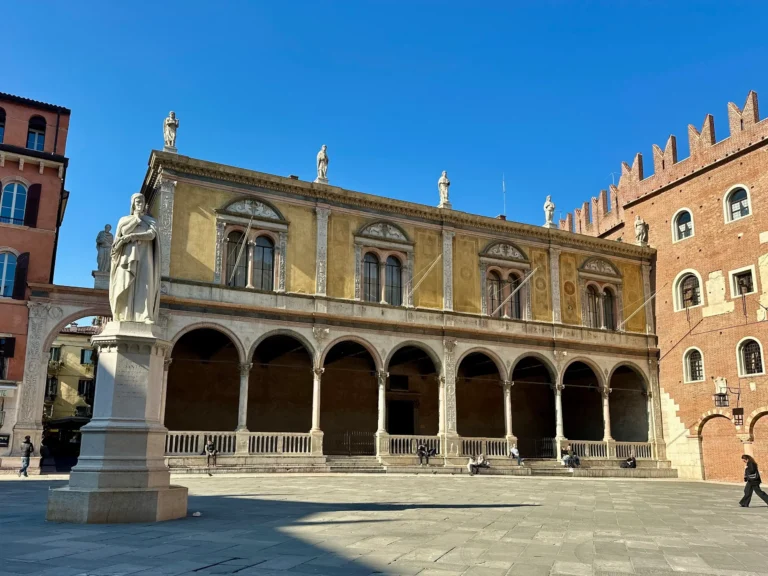
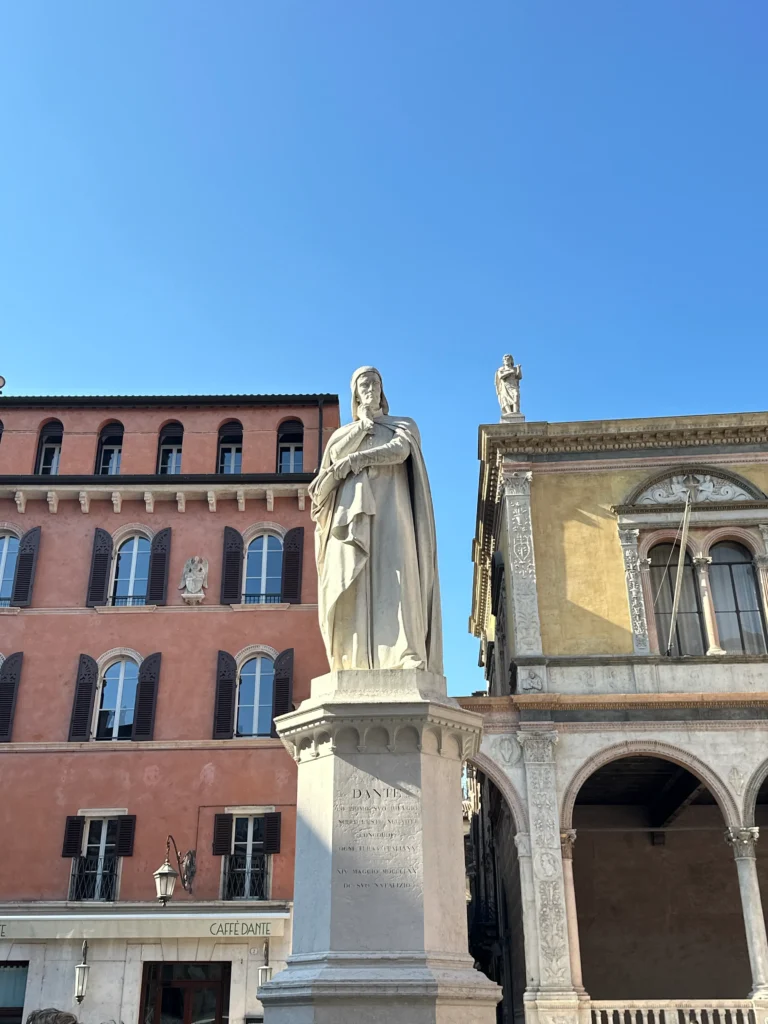
Piazza dei Signori feels completely different. Quieter, more elegant, more contained. It was probably the most authentic-feeling square in the city for me—less about spectacle, more about atmosphere. I even ended up sitting right next to Dante’s statue without realizing it, which was funny because I had been actively looking for it just minutes before.
As you move between the two piazzas, you’ll also pass the Scaliger Tombs. You can see them clearly through the fence year-round, and it’s worth a quick pause even if you don’t go inside.
If you didn’t get a gelato for lunch, this is the perfect timing to get it! We stopped at Gelateria Impero, and the salted pistachio was incredible — easily one of my favorites in Italy, maybe even anywhere.
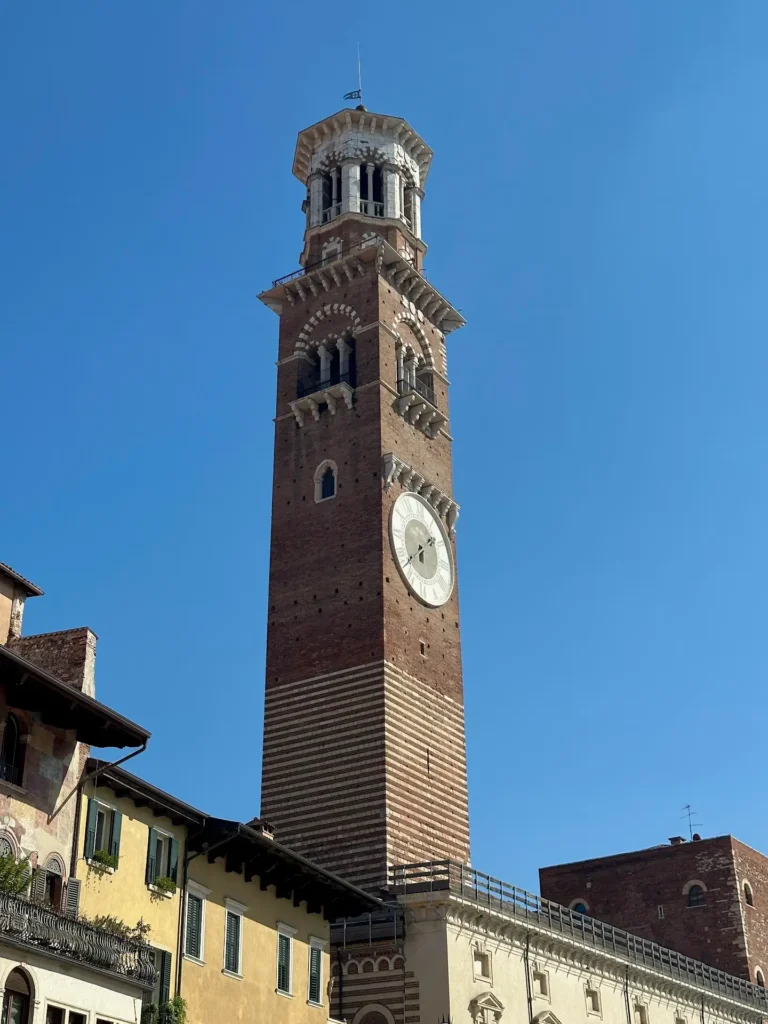
If you still have energy, this is where you can decide whether to climb Torre dei Lamberti.
The climb itself is part of the experience, but I’ll be honest — I wouldn’t call it essential. The view is good, but there’s a barrier at the top that makes photos less enjoyable. If you’re already planning to go up to Castel San Pietro later, that view is far better.
If you have the Verona Card and extra time, it’s worth doing. Otherwise, I’d skip it and save your energy for what comes next.
If you’re wondering about my thoughts on Torre dei Lamberti and why I call the climb “not essential,” I wrote a full review: Torre dei Lamberti Review: Nice Views, But Here’s the Catch.
Evening — Sant’Anastasia and/or Piazza Duomo
By this point in the day, you’ll start to feel it — and this is where it’s important not to overdo it.
If you’re going to visit a church in Verona, make it Sant’Anastasia. It was the most beautiful one I saw in the city, and the one that actually stayed with me. The scale, the frescoes, the columns, the detail — it feels complete in a way that’s hard to explain until you’re inside.
What made it even better was the audio guide. It genuinely changed the experience from just looking at things to actually understanding what I was seeing.
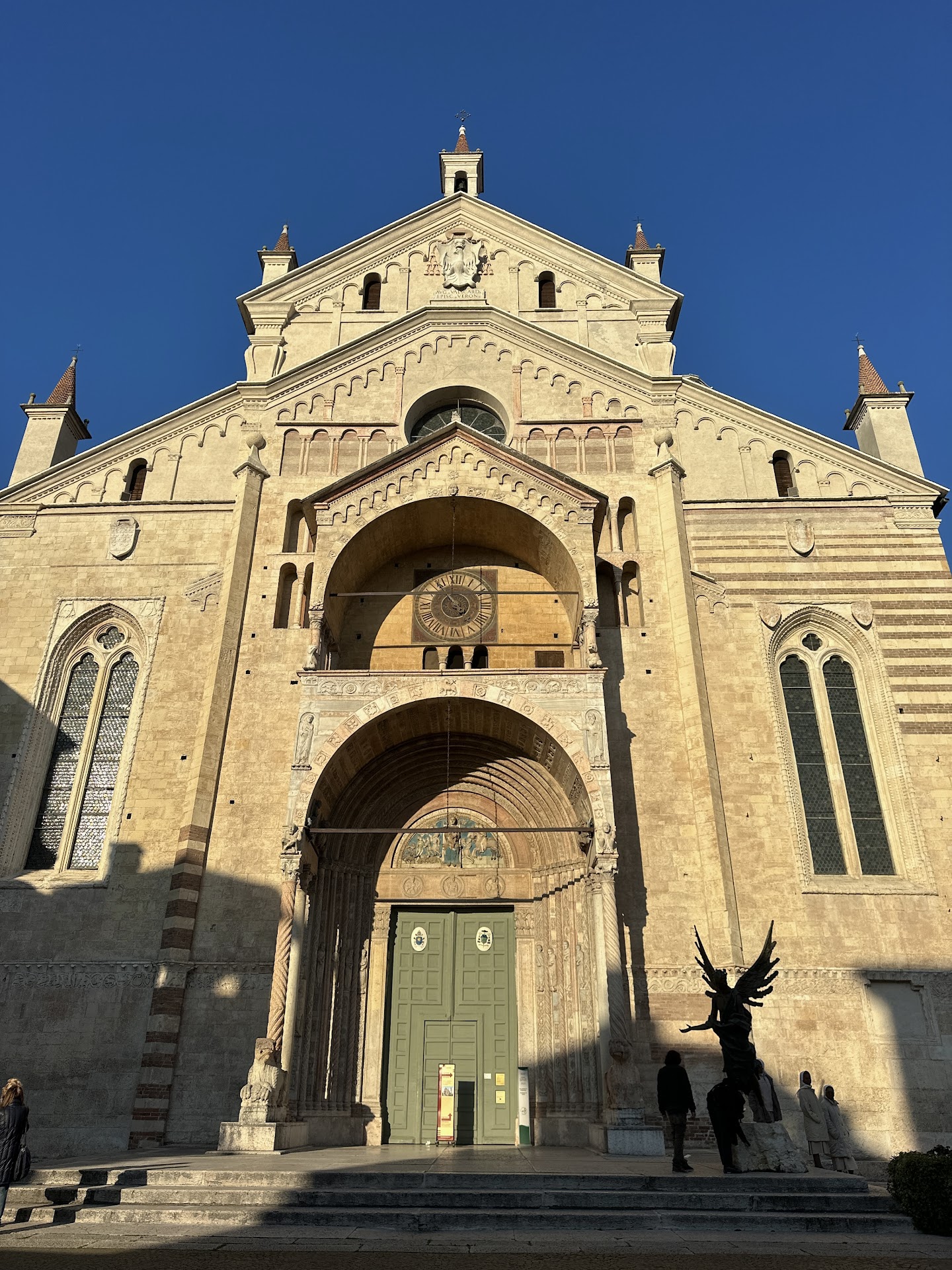
There are also a few churches around Piazza Duomo — like San Giovanni in Fonte — and they’re interesting in their own way, with different styles and artwork. But this is where I’d be honest with yourself.
Church fatigue is real. If you’re not especially into religious art, it’s much better to pick one and enjoy it properly than try to rush through three and remember none of them. Even the audio guide starts to feel a bit much after the second stop.
If I only had time for one, I’d go back to Sant’Anastasia without hesitation.
All four main churches in Verona have FREE entry if you have the Verona Card. Again, you don’t need to visit them all, but if you’re interested, it’s can be a great experience and a good way to maximize the card.
You can check this guide to learn more about the churches in Verona: Best Churches in Verona (And the One You Shouldn’t Miss).
End of Day — Ponte Pietra → Veronetta → Castel San Pietro
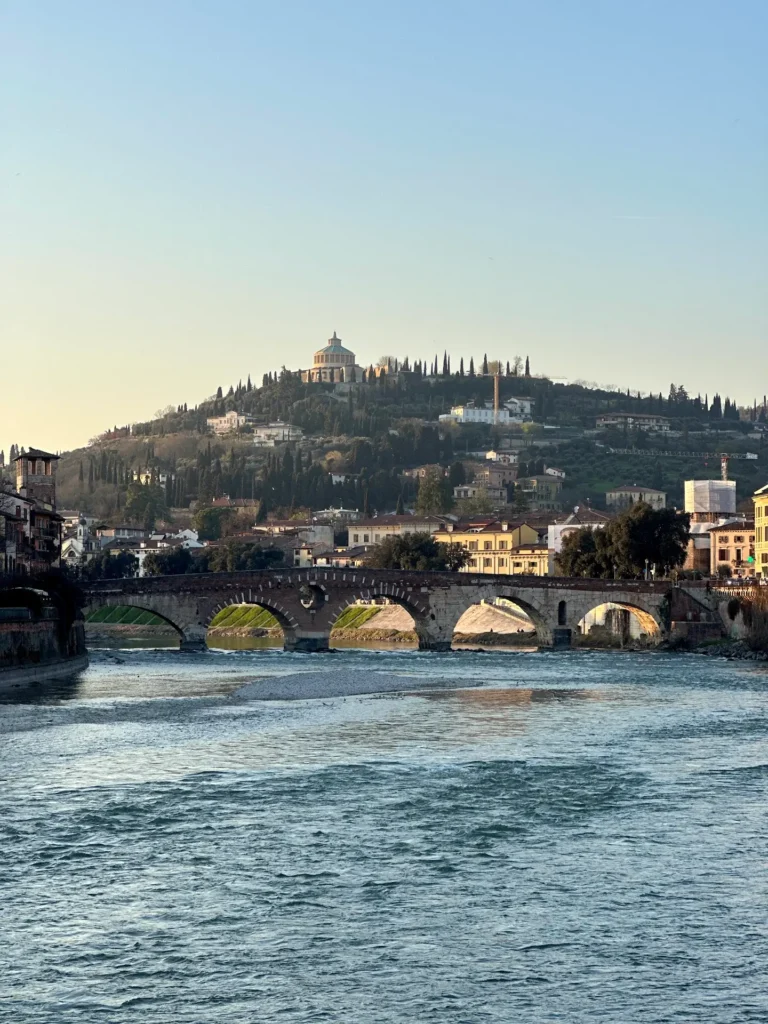
This was my favorite part of the entire day!
Ponte Pietra isn’t just a bridge — it feels like a transition. You cross from the busy, polished side of Verona into something quieter and more lived-in.
On the other side, Veronetta felt like Italy frozen in time.
It’s less polished, a little worn, and full of small details — faded colors, old furniture outside homes, little touches that feel personal rather than curated. It reminded me of the warmth of my grandmother’s home, in a way I didn’t expect.
Mat and I even talked about how in Germany, you wouldn’t really see old furniture left out like that — but here, it somehow feels like part of the character of the place.
Walking through this part of the city, I felt like I had actually visited Verona — not just seen it.
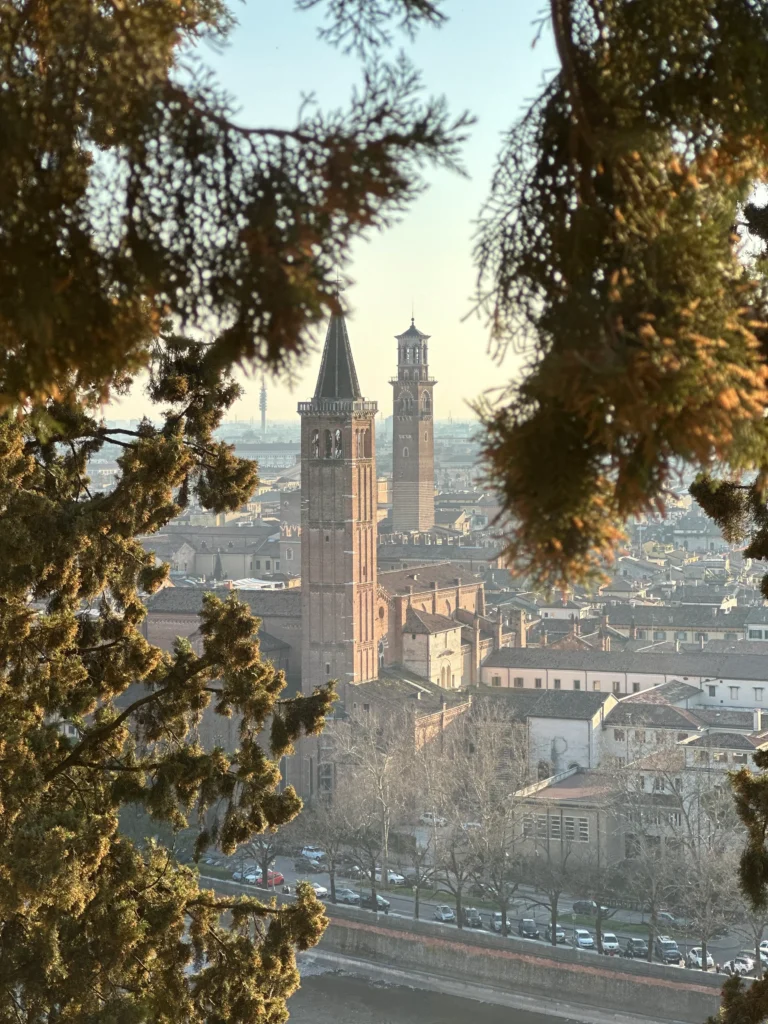
From there, make your way up to Castel San Pietro. Take your time with the walk up, and once you reach the top, find a quiet spot along the old brick walls. We sat there for a while, just taking everything in — the rooftops, the river, the soft light as the day started to wind down.
I even ended up with my favorite photo of the trip here, framed between the leaves. On the way, we passed the Roman Theatre right as it was closing. Even from a quick look, it felt special — smaller and more integrated into the hillside than the Arena. I really wish we had made it there earlier.
For me, this is the best way to end your day in Verona.
There, I said it. Castel San Pietro has the best view in Verona. If you want to know more about our experience, you can read it here: Castel San Pietro: Is It Worth the Climb?
Night — One Last Pizza (Optional but Recommended)
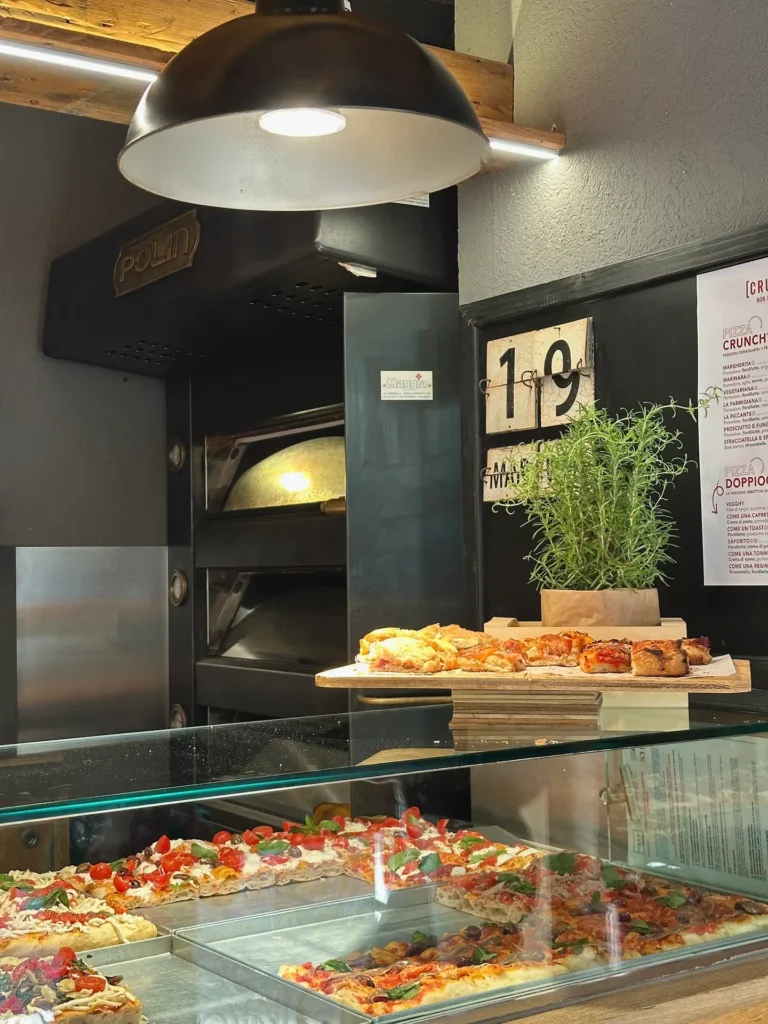
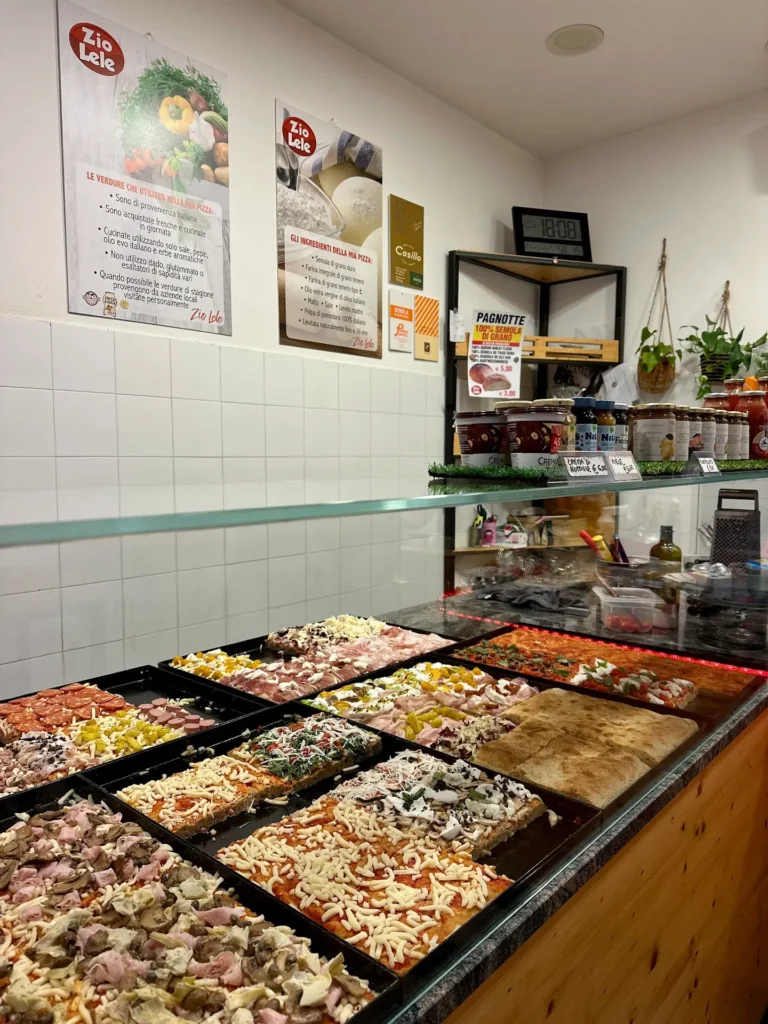
If you still have room (or even if you don’t), ending the day with pizza will be a memorable way to wrap up your first day. Mat found Zio Lele online, and we waited outside near the Church of Saint Thomas Becket before it opened at 6 pm. We were the first ones there.
That ended up being a good call.
The owner chatted with Mat and recommended slices for us, and the whole place felt simple and welcoming. The pizza is sheet-style with crispy bottoms, similar to Cruncheria but with its own character. They also had a small selection of Italian craft beers.
I still remember taking a bite and thinking, you never really tasted pizza until you’ve had it in Italy.
It was the perfect low-key ending to a full day. If you’re curious how other pizzas look and taste in Verona, I wrote a full guide here.
Day 2 — Beyond the Centro
I only had one day in Verona, and this is exactly how I would structure a second day if I came back. These are the places I missed, the ones I regretted not doing, and the ones that make sense once you understand the rhythm of the city.
Morning: Roman Theatre + Museo Archeologico
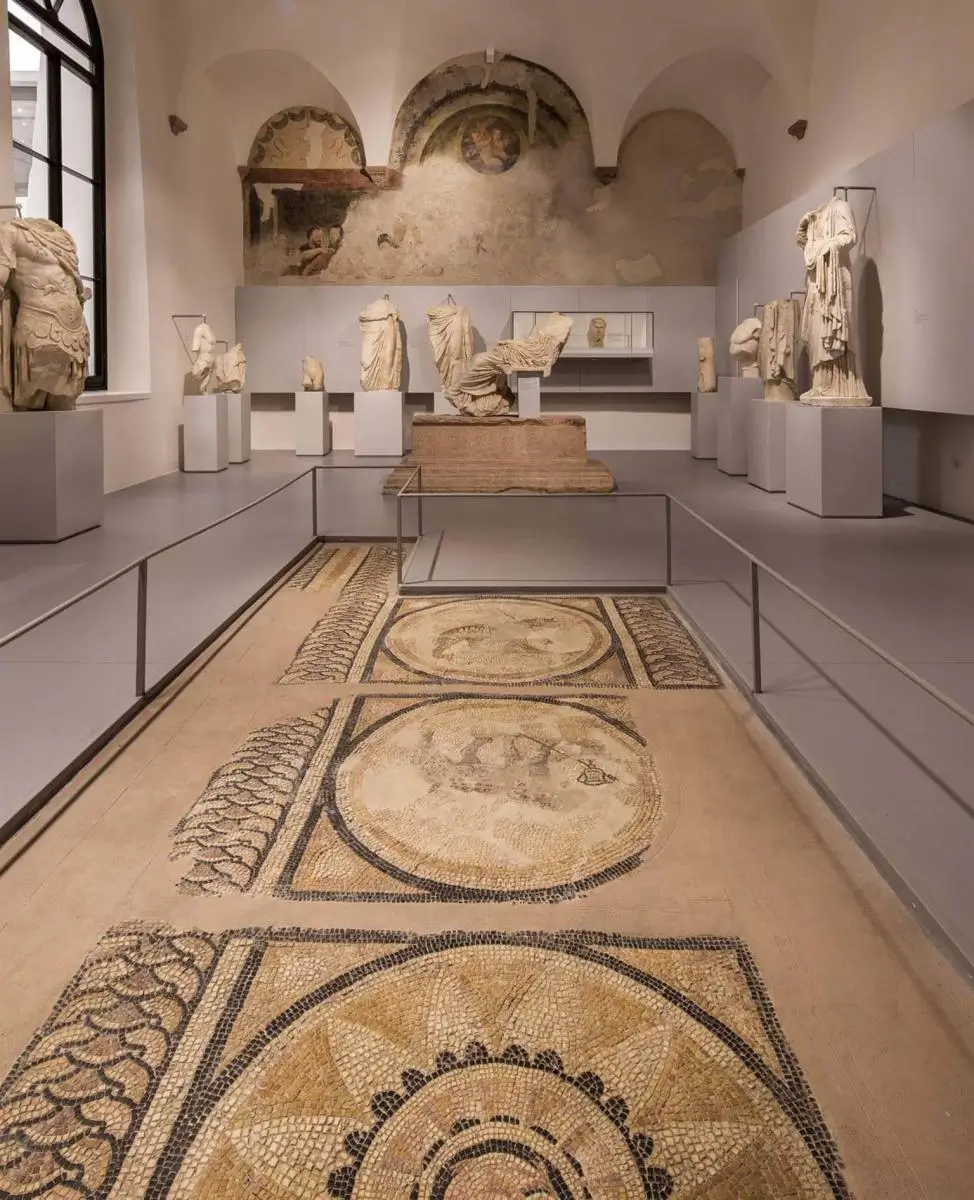
Next time, I would start the day at the Roman Theatre and make sure to go early. On my first visit, we passed by just as it was closing, and even from a quick look, it felt completely different from the Arena. It looked smaller, quieter, and more connected to the hillside, almost like a space that belonged to the city rather than standing apart from it.
From what I can tell, this is where you get a more grounded experience of Verona. Less spectacle, more atmosphere. Right above it is the Museo Archeologico, which makes it easy to combine both stops in one go. I would take my time here, walk through the theatre, then move up to the museum and pause for the views over the city. If there is one thing I would not miss again, it would be this.
Quick Tip: Plan around one to one and a half hours here, especially if you want to take it slow and actually enjoy the setting.
Mid-Morning: Giardino Giusti
After the theatre, I would shift the pace with a stop at Giardino Giusti. This feels like a natural reset before heading back into the busier parts of the city. It is a Renaissance garden with terraces, fountains, and views over Verona, and it gives you a different kind of experience compared to churches and piazzas.
From what I can tell, this works best in the morning when it is quieter and the light is better. But this is also the most optional stop of the day. If you are not into gardens, it is easy to skip. If you enjoy quiet spaces and a slower rhythm, then this is worth the time. I would spend around an hour here, just enough to walk the paths and take in the view without rushing.
Afternoon: San Fermo Maggiore + Piazza delle Erbe (Again)
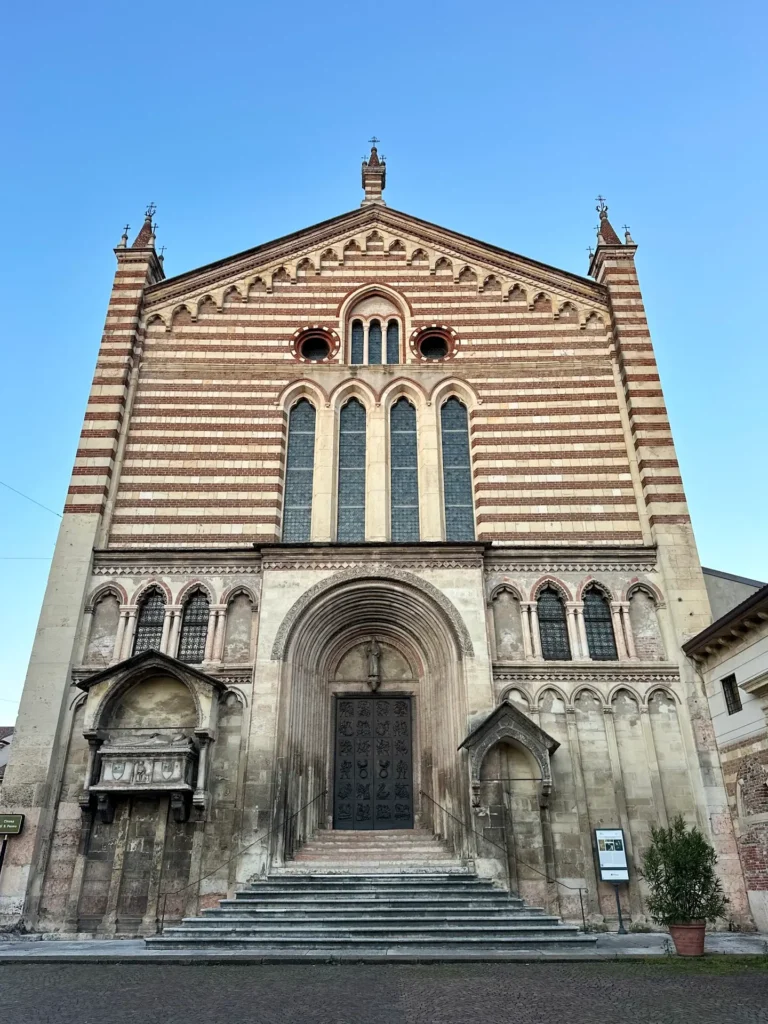
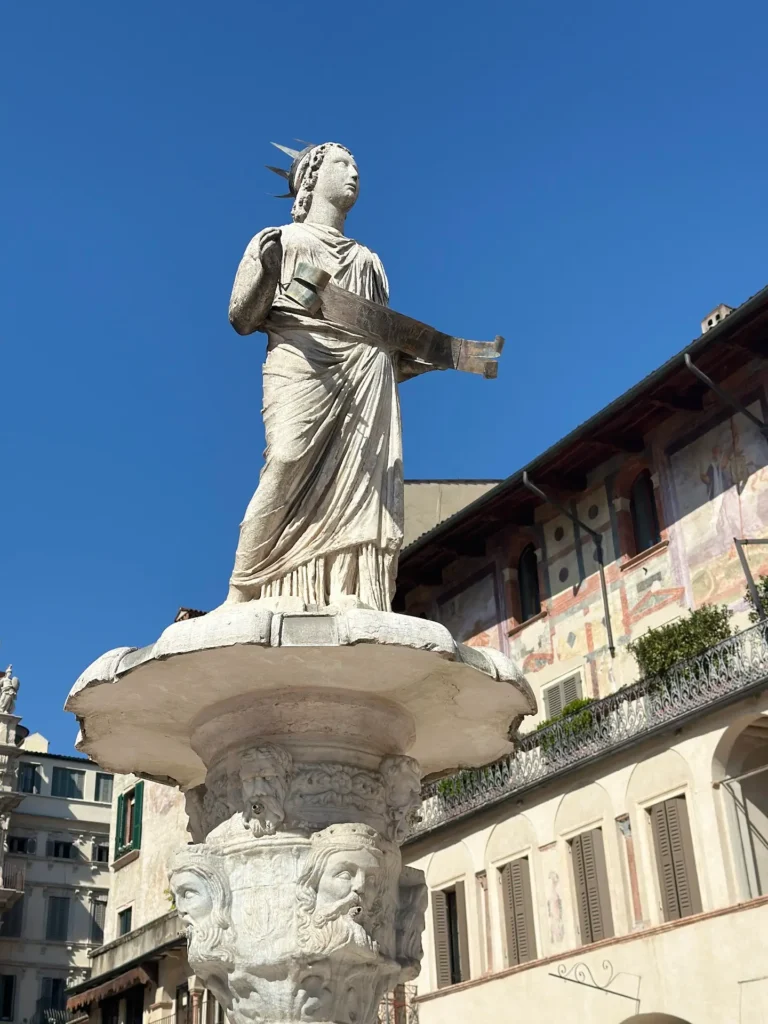
For the afternoon, I would keep things light. San Fermo Maggiore seems like a good short stop, mainly because of its two-level structure, which makes it different from the other churches in Verona. This is not something I would spend too much time on, just enough to see it and move on.
After that, I would head back to Piazza delle Erbe. Going there a second time might sound repetitive, but I think this is where the experience actually improves. The first visit tends to feel busy and overwhelming, but the second visit is slower. You already know the layout, so you can stop thinking about where to go and just enjoy being there.
I would grab a coffee or something simple to eat, find a place to sit, and stay for a while. This is the kind of moment that makes Verona feel less like a checklist and more like a place you are actually experiencing.
If you get the Verona Card for 48 hours, your entry to San Fermo Maggiore for the Day 2 of your trip is FREE.
Late Afternoon: Optional Add-Ons

At this point, I would not try to do everything. This is where it makes more sense to choose based on your energy.
If I skipped Torre dei Lamberti on Day 1, this would be the time to do it, just to complete the experience. From what I understand, the view is good, but it still does not beat Castel San Pietro, so I would only do it if I had extra time. If I wanted something different, I might check out GAM Achille Forti, especially if I felt like seeing some modern art in a smaller, quieter setting.
The Scaliger Tombs also seem like an easy add-on since you can see them quickly as you pass by. This part of the day is less about ticking boxes and more about adjusting to how you feel.
Evening: Piazza dei Signori + One Last Gelato
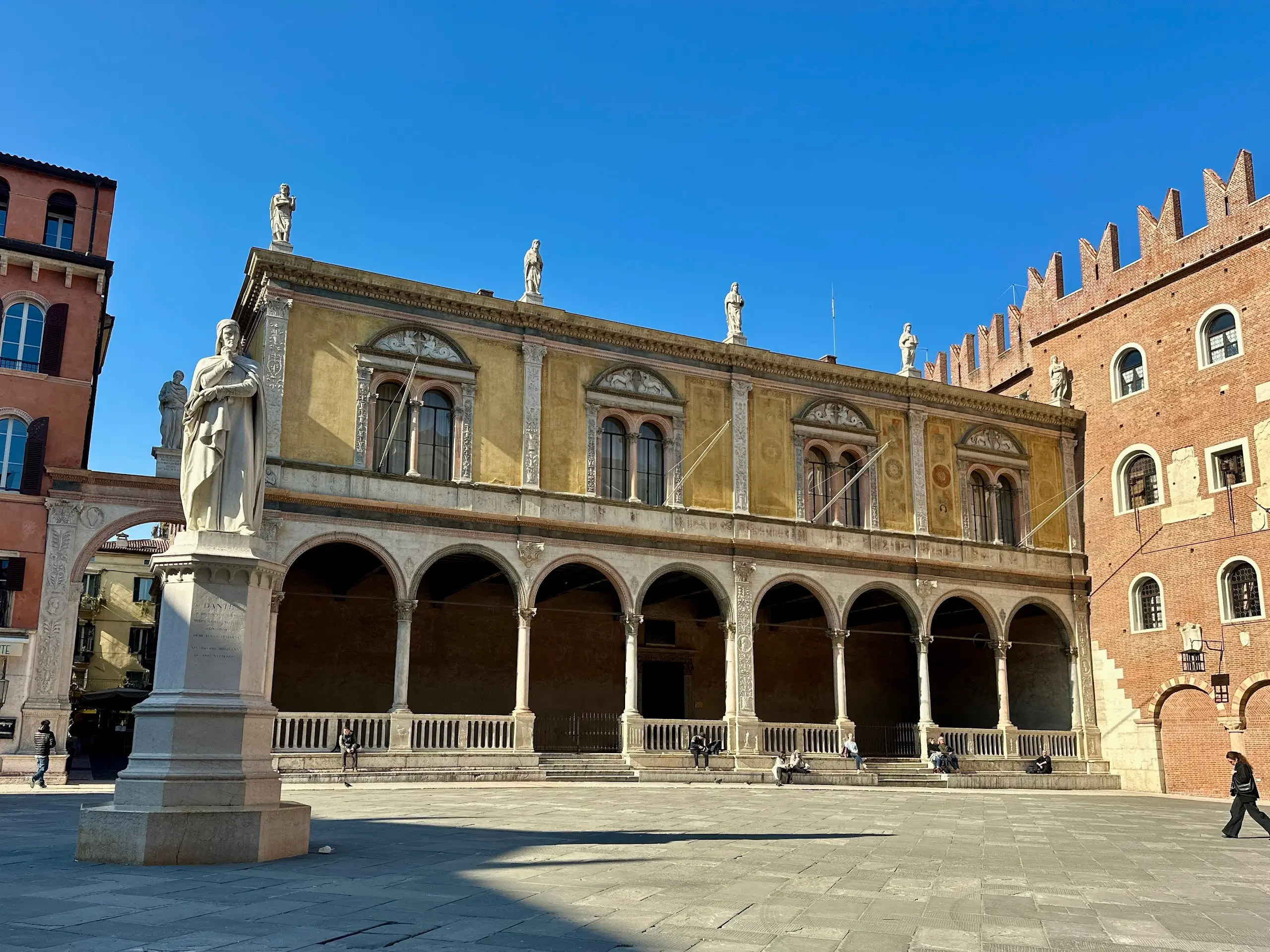
I would end the second day at Piazza dei Signori. Out of all the places in Verona, this feels like the most balanced. It is quieter than Piazza delle Erbe, more contained, and easier to settle into.
By this point, you already understand the pace of the city, so there is no need to rush. I would just sit there, maybe near the Dante statue, and take it in. No agenda, no next stop.
Then I would get one last gelato. If I had not tried it yet, I would go straight for the salted pistachio at Gelateria Impero.
This is where the biggest takeaway from Verona lands. You do not need to do everything. You just need to stay a little longer in the places that feel right for you.
How Many Days Do You Really Need in Verona?
One day in Verona is possible. But you will feel it.
You will move faster than you want. You will cut moments short. Castel San Pietro becomes your natural endpoint, and once you hit that sunset, the day is done whether you are ready or not.
That is exactly what happened to me. It might have even been my favorite stop, and still, it felt like I had to rush everything leading up to it. I wish we did at least two days.
Two days is the right amount for a first visit. It gives you enough time to see the main places while still slowing down in between. You can sit in the piazzas, take longer lunches, and not feel like you are chasing the next stop.
If you have three days or more, do not try to add more within the city. Verona works better as a base. It is calm, well-connected, and easy to return to after a day trip. Next time, I would stay longer and use it that way.
FAQs: Planning Your 2 Days in Verona
Is the Verona Card worth it for 2 days?
Yes, it is worth it for two days if you plan to visit multiple attractions. It simplifies everything. You skip lines, bundle entry fees, and move through the itinerary without thinking too much about tickets.
If you want a full breakdown of whether it pays off, you can check the Verona Card guide.
Do I need to book anything in advance in Verona?
In most cases, no. Verona is easy to navigate without heavy planning. The one exception is Juliet’s House. You need to reserve a time slot in advance, especially during peak season. Other places like the Arena or Torre dei Lamberti can be booked ahead, but it is usually not necessary if you are visiting outside of busy months.
What should I skip in Verona?
You do not need to do everything.
If you already plan to go to Castel San Pietro, you can skip Torre dei Lamberti. The view there is good, but not essential.
If you start feeling tired of churches, stop at one. Maybe two. There is no need to push through all of them. You will get more out of one focused visit than rushing through several.
Juliet’s House is also optional. If you do not care about Romeo and Juliet and you are not using the Verona Card, it is easy to skip.
The simple rule is this: skip what does not interest you, and stay longer where it does.
Make the Most of Your Time in Verona
By now, you already know what stayed with you.
For me, it was the slower moments. Walking without a plan in Veronetta. Watching the light change from Castel San Pietro. Sitting in a quiet piazza and letting time pass.
That is where Verona really opens up.
If you are still figuring out your trip, you can start with a one day itinerary to map things out. Or use the Verona Card to make entries easier and avoid overthinking each stop.
You do not need to see everything. Just give the city enough time to settle in.
READ MORE
- One Day in Verona: A Perfect Itinerary for First-Timers
- 14 Best Things to Do in Verona for First-Timers
- 11 Free Things to Do in Verona on Foot
- 10 Hidden Gems in Verona Most Visitors Miss
- 12 Easy Day Trips from Verona First-Time Visitors Will Love
- Juliet’s House, Verona: Worth It or Tourist Trap?
- Torre dei Lamberti Review: Nice Views, But Here’s the Catch
- Is the Arena di Verona Worth Visiting? An Honest Experience
- Castel San Pietro: Is It Worth the Climb?
- I Ranked the Best Views in Verona
- Best Churches in Verona (And the One You Shouldn’t Miss)
- Here’s What Each Verona Piazza Actually Feels Like
- What to Eat in Verona: The Dishes Worth Slowing Down For
- Where to Stay in Verona (Honest Neighborhood Breakdown)
- Day Trips from Verona by Train (What’s Actually Easy)
- Where to Eat in Verona: Local Spots, Pizza, and Gelato
- The Best Hotels in Verona for Every Budget
- 5 Best Pizzas in Verona (What We Loved and What We Missed)