Why Castelvecchio Verona Surprised Me More Than the Arena
I had planned to visit the Arena di Verona in Verona, which was the reason I had purchased the Verona Card. However, after my trip, Castelvecchio Verona became the place that lingered in my mind the most.
Initially, I didn’t anticipate much walking in. The museum felt like a mere stopover, something to do after the Arena.
Surprisingly, it turned out to be the part of the day that truly left an impression on me.
The art displayed in the museum was commendable, and there was even an exhibition dedicated to the Holocaust. However, what I recall most vividly was stepping out onto the bridge—the river below, the calmness, and the opportunity to pause and contemplate.
If you’re contemplating whether Castelvecchio Verona is worth your time, especially if you have the Verona Card, this experience will provide valuable insights to help you make an informed decision.
This site uses affiliate links. If you purchase through them, I may earn a commission at no extra cost to you. Thank you for your support!
The Castle Itself
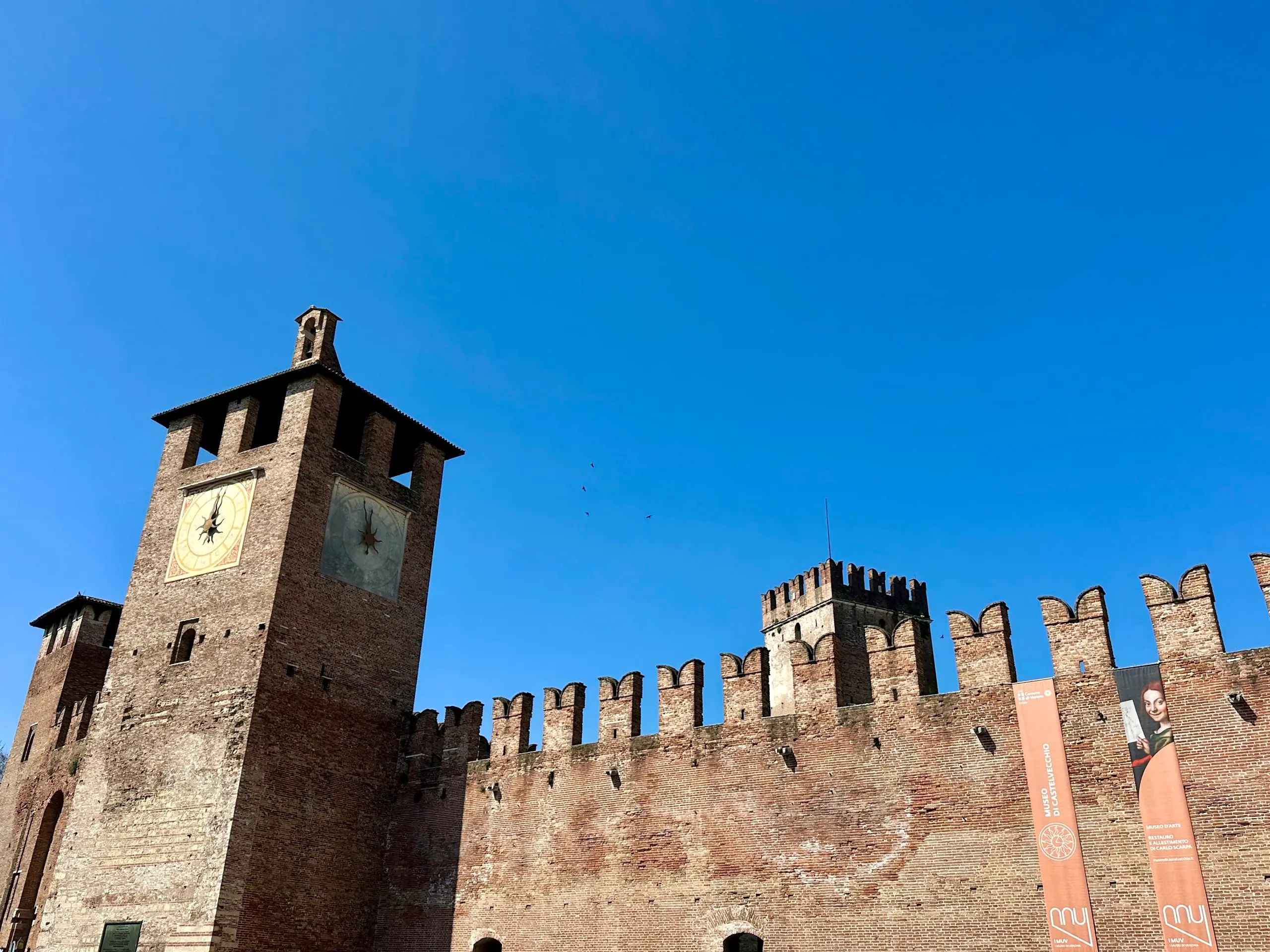
Castelvecchio, a mid-14th-century fortress constructed by the Scaliger family under Cangrande II, served a dual purpose: defense and escape. The bridge attached to it was not merely decorative; it was a contingency plan. In case Verona revolted against its rulers, they could swiftly cross the Adige River and seek refuge elsewhere.
Knowing that changes the ambiance of the place. It ceases to be merely a historic building and begins to feel like a tangible entity that has been genuinely utilized, with genuine significance attached to its design.
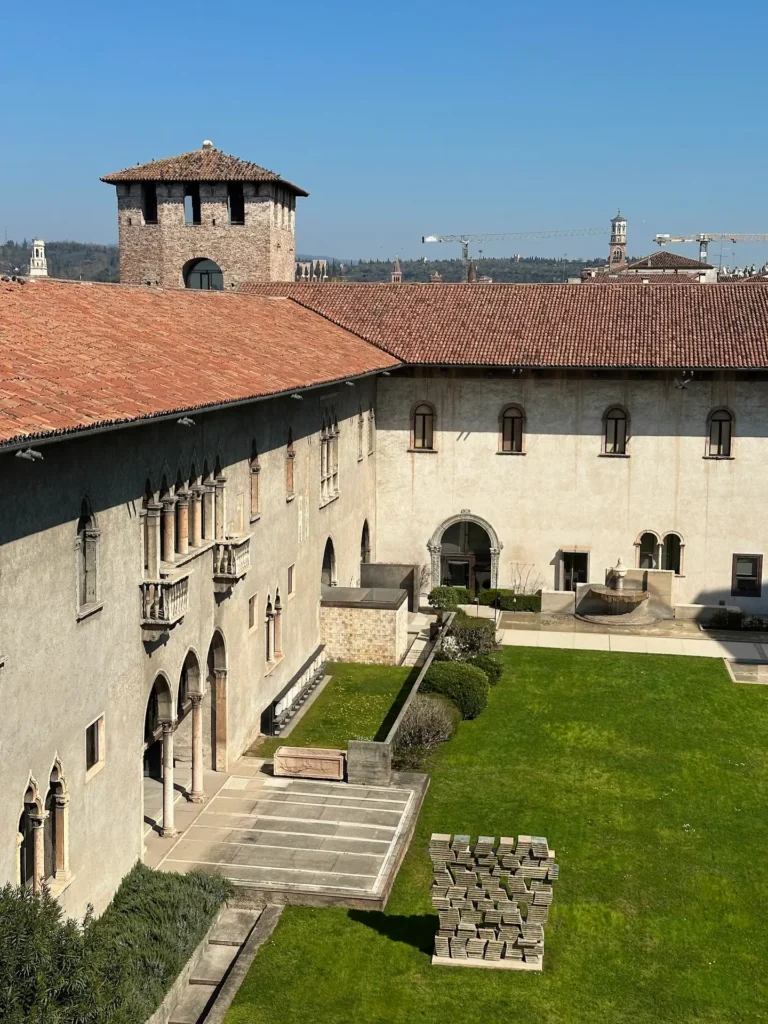
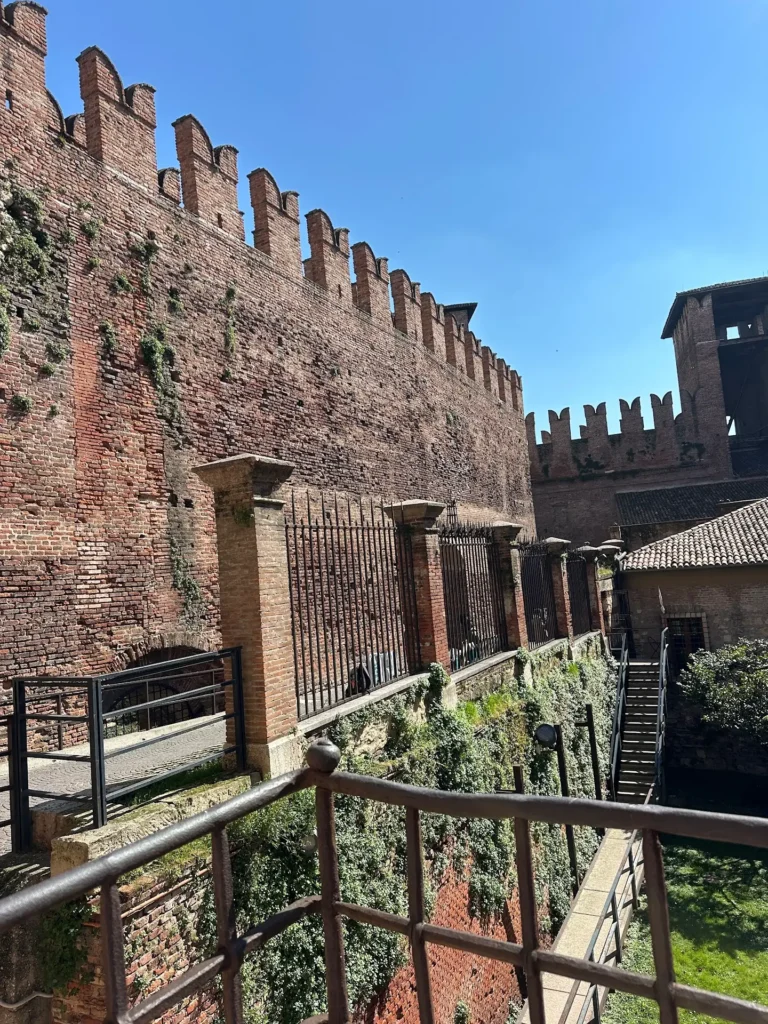
Today, it’s home to the Castelvecchio Museum in Verona, the city’s main civic art museum. Inside, the space was redesigned in the late 1950s by architect Carlo Scarpa, whose work is still studied internationally for how it blends modern design with medieval structure. You don’t need to be into architecture to notice it—it just feels different in a way that’s hard to explain but easy to move through.
From the outside, the castle is compact and solid. Red brick, low and wide, with the bridge visible almost immediately from the road. For me, it doesn’t feel that it’s trying to impress the visitors from a distance. It just sits there, grounded and quiet, which somehow makes you want to walk in even more.
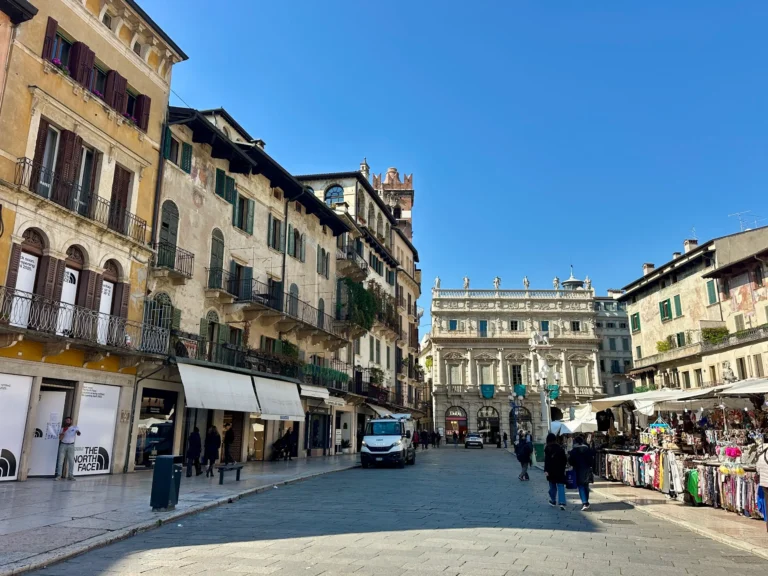
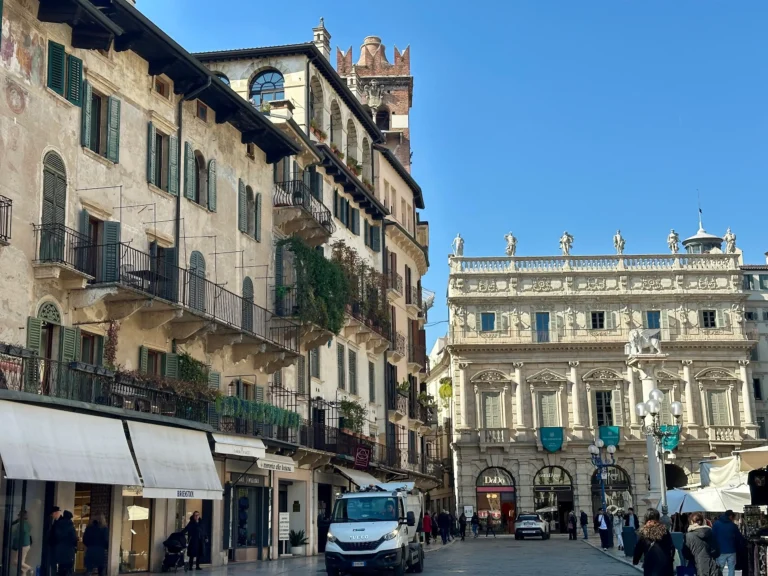
Perhaps you’re curious about other places to explore in the city. I’ve written a guide that describes the unique atmosphere of each Verona Piazza, all through the experience of walking there.
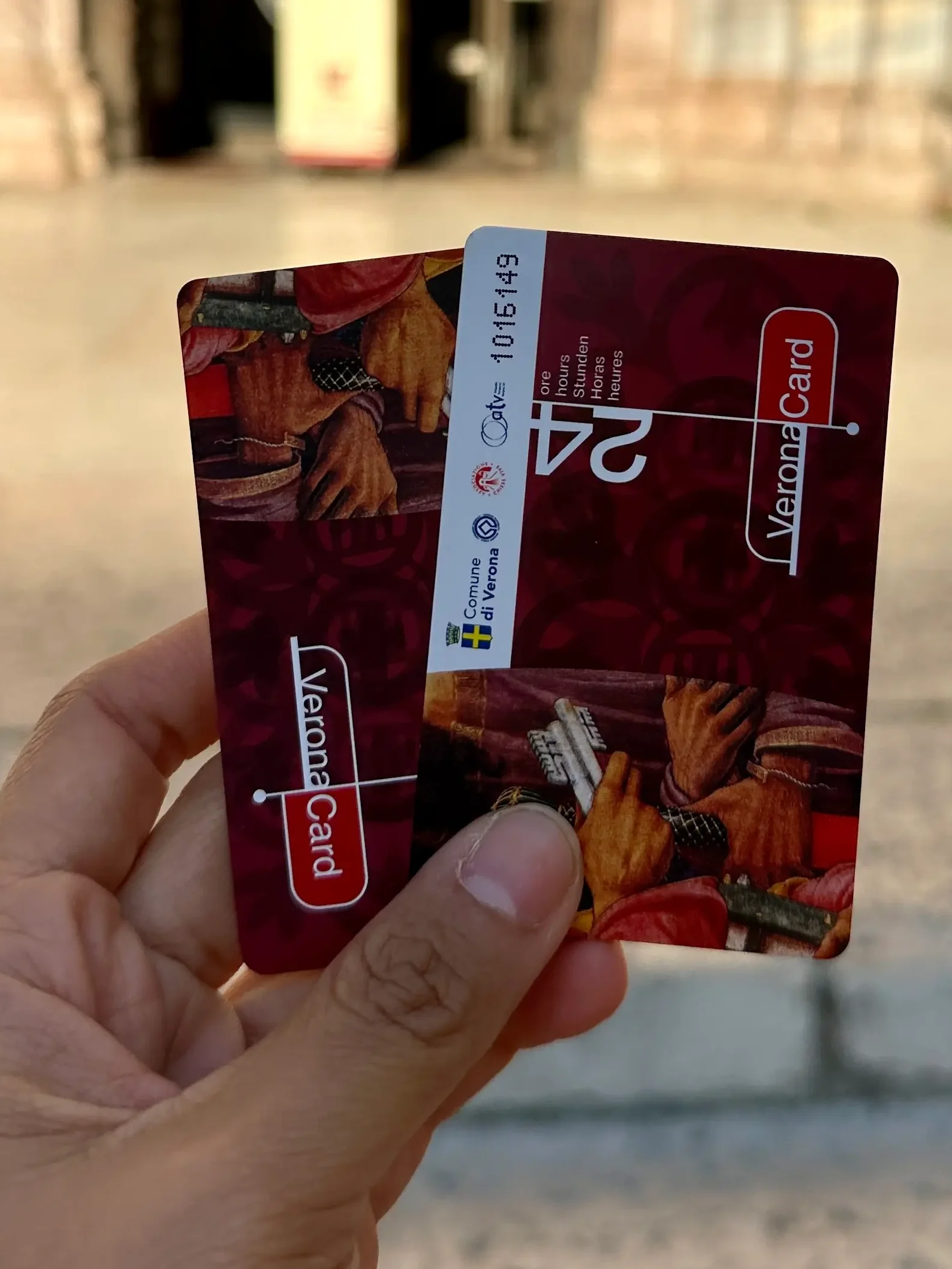
verona card
If you’re planning to visit multiple attractions, I highly recommend getting the Verona Card.
It gives you free or priority access to major sites like the Arena di Verona and Juliet’s House, and it can save you both time and money.
I saved $20 during my visit to Verona just on the attractions I really wanted to see!
Inside the Museum
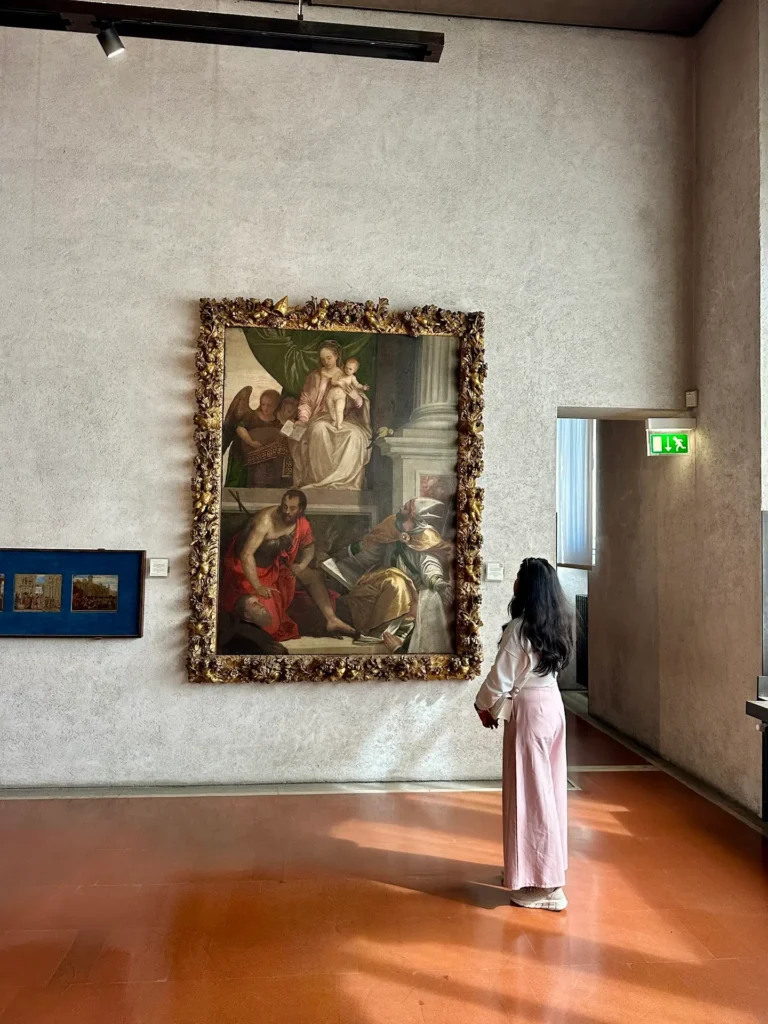
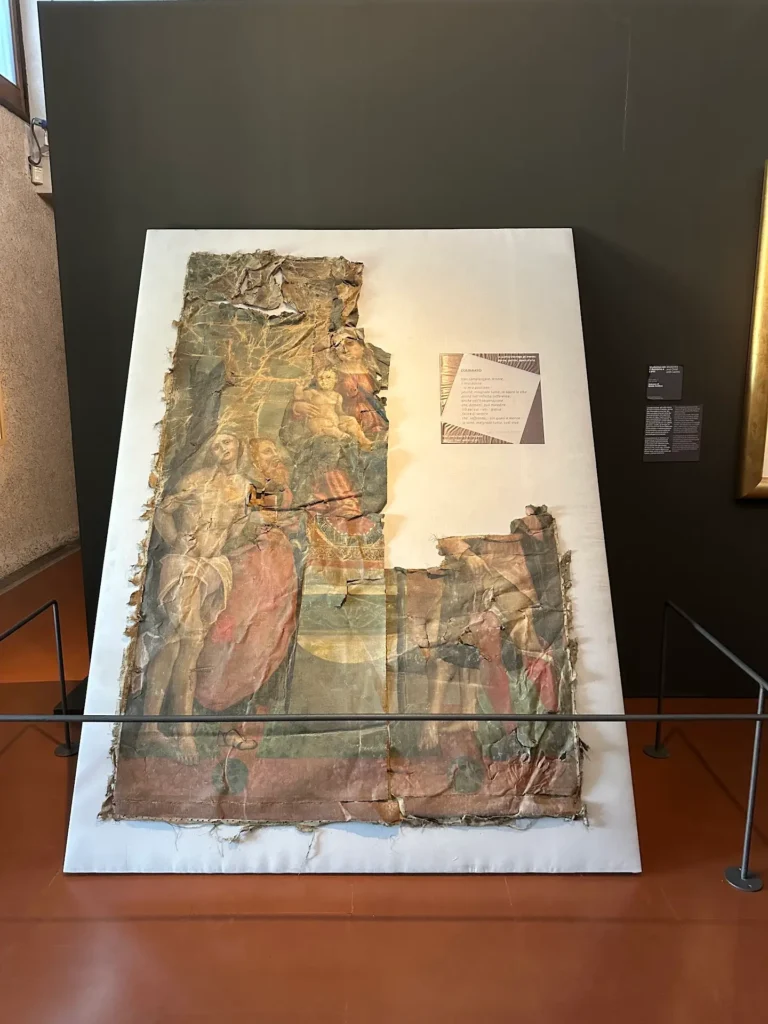
Inside the Castelvecchio Museum, I was honestly surprised by how varied the collection is. One minute you’re looking at medieval sculptures, the next it’s Renaissance paintings—and then suddenly something more modern appears and throws off your expectations a bit.
Some rooms pulled me in immediately, especially the darker religious paintings that felt really intense and heavy. I remember stopping longer than I planned in front of this huge gilded altarpiece, just taking it in. But then there were other rooms where I kind of just… walked through. And I didn’t feel bad about it. It’s not the kind of museum where you need to force yourself to read every plaque.
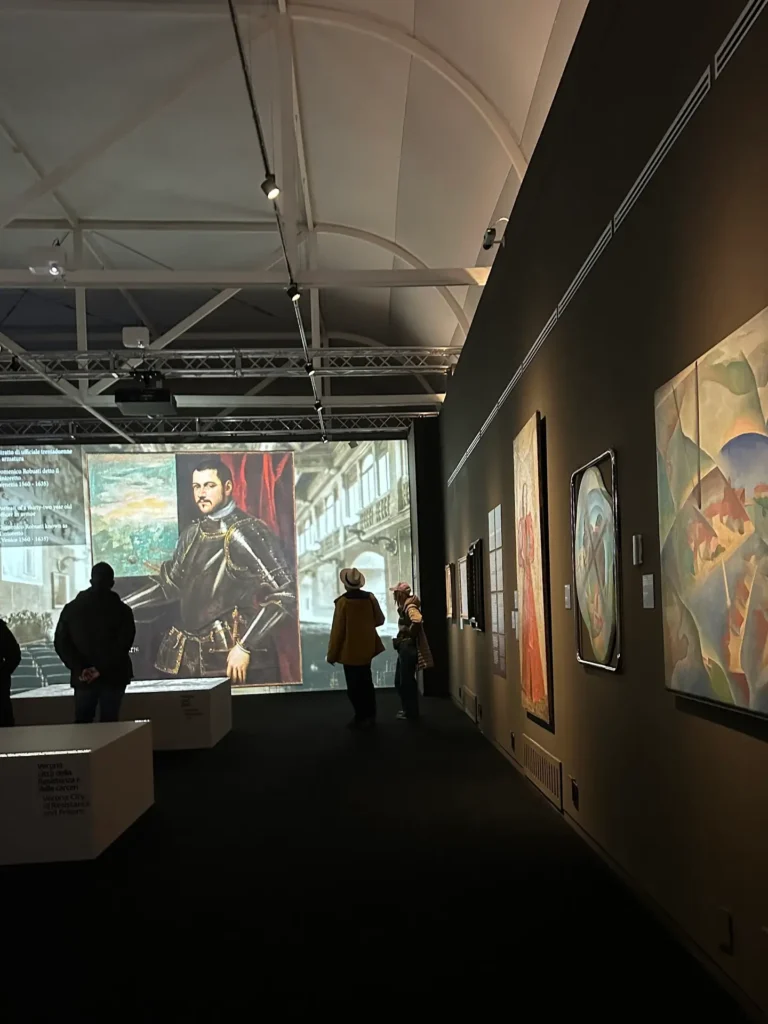
When we visited, there was also a Holocaust exhibition, and that completely changed the mood. It hit differently being in that space after looking at centuries-old art—it made everything feel more real and grounded, and it stayed with me more than I expected.
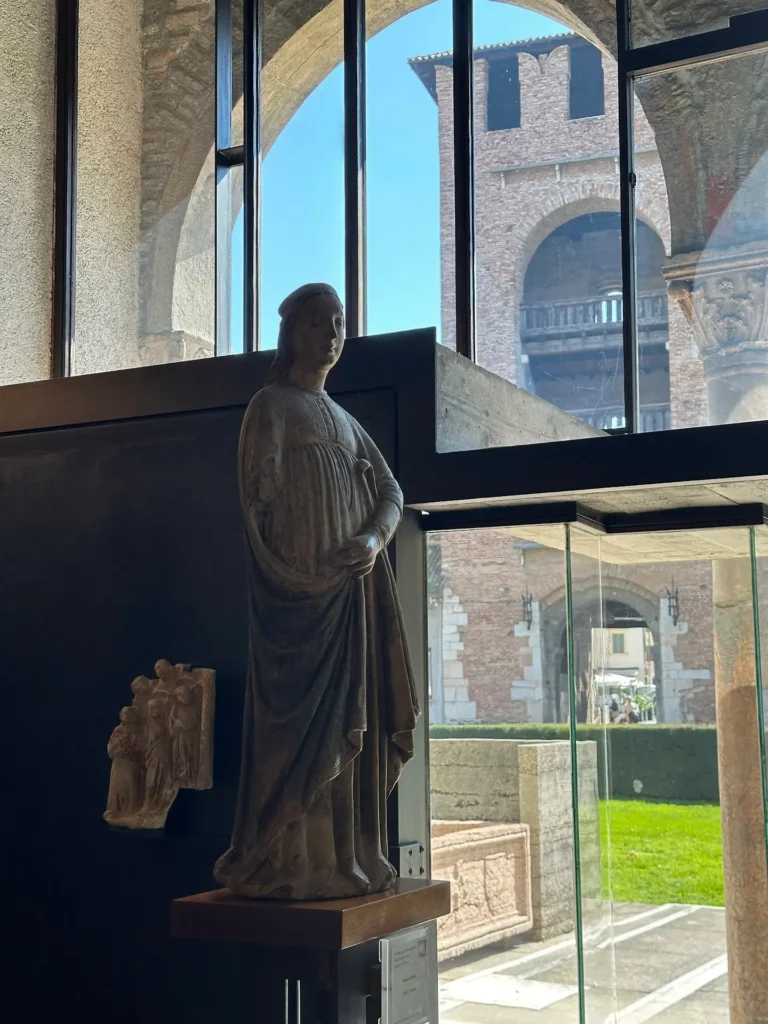
What I kept noticing, though, wasn’t even the art—it was how everything was set up. You can really feel Carlo Scarpa’s design throughout the museum. I remember seeing a sculpture placed right by a window, with Verona’s brick buildings perfectly framed behind it, and thinking how intentional that was. It made the city feel like part of the exhibit.
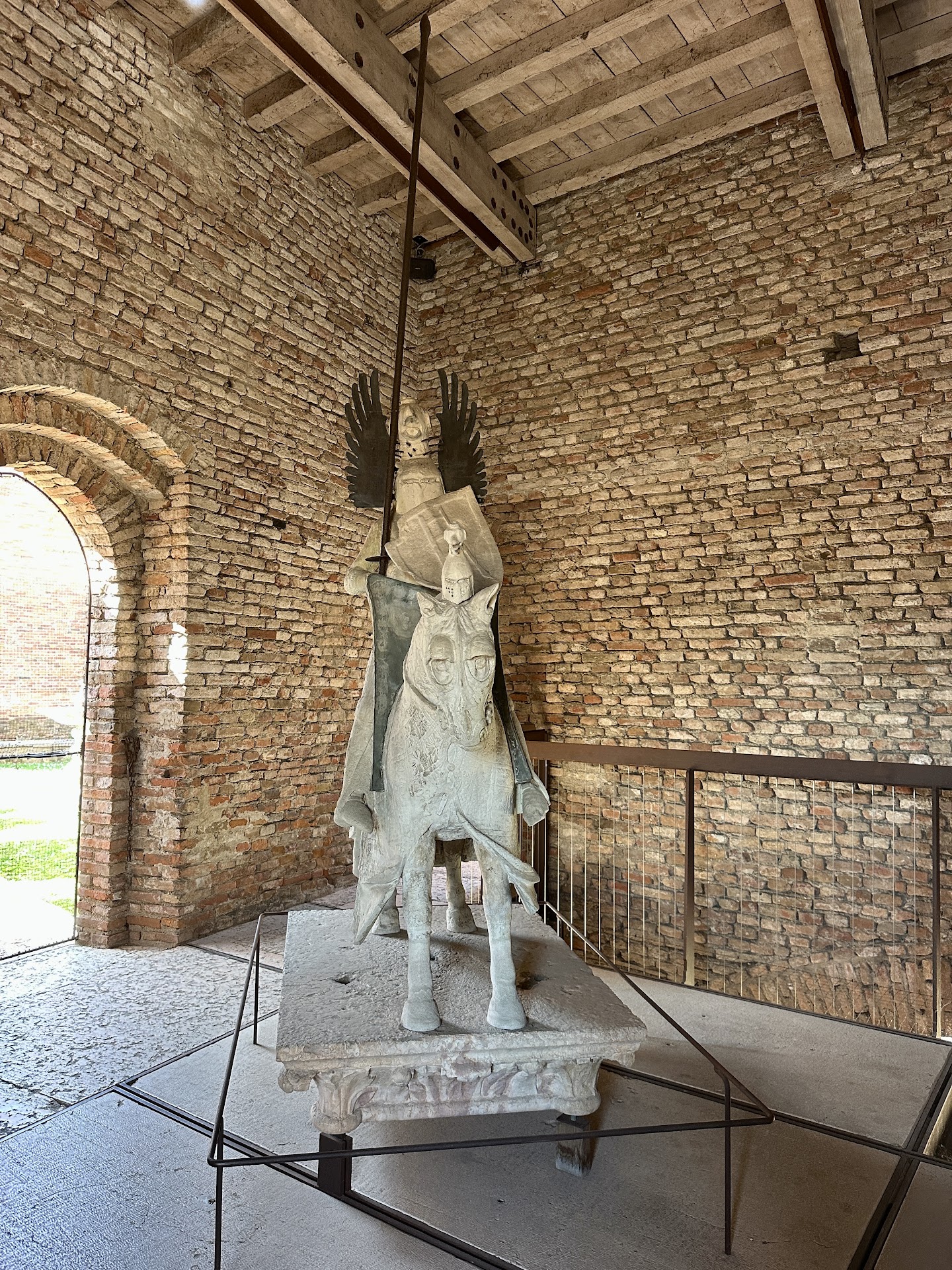
And then there’s the Cangrande equestrian statue. That was probably the moment that stuck with me most. It’s raised up so it almost feels like it’s floating, and you naturally slow down when you see it. I caught myself walking around it, looking up at it from different angles—it’s such a simple idea, but it completely changes how you experience it.
I must admit, the art itself wasn’t entirely to my liking. It’s important to acknowledge this. The museum comprises nearly 30 rooms, and attempting to view every single one would have felt like an overwhelming task. That’s why I opted to follow my interests and skip those that didn’t captivate me.
If you’re using the Verona Card, it makes it even easier to go in without overthinking it. I didn’t feel pressure to “get my money’s worth,” which made the whole experience way more enjoyable.
For me, it wasn’t truly about viewing every piece of art—it was more about the ambiance of the space. Honestly, the architecture, the views, and the moment I stepped back out toward the bridge left the most lasting impression on me.
The Bridge
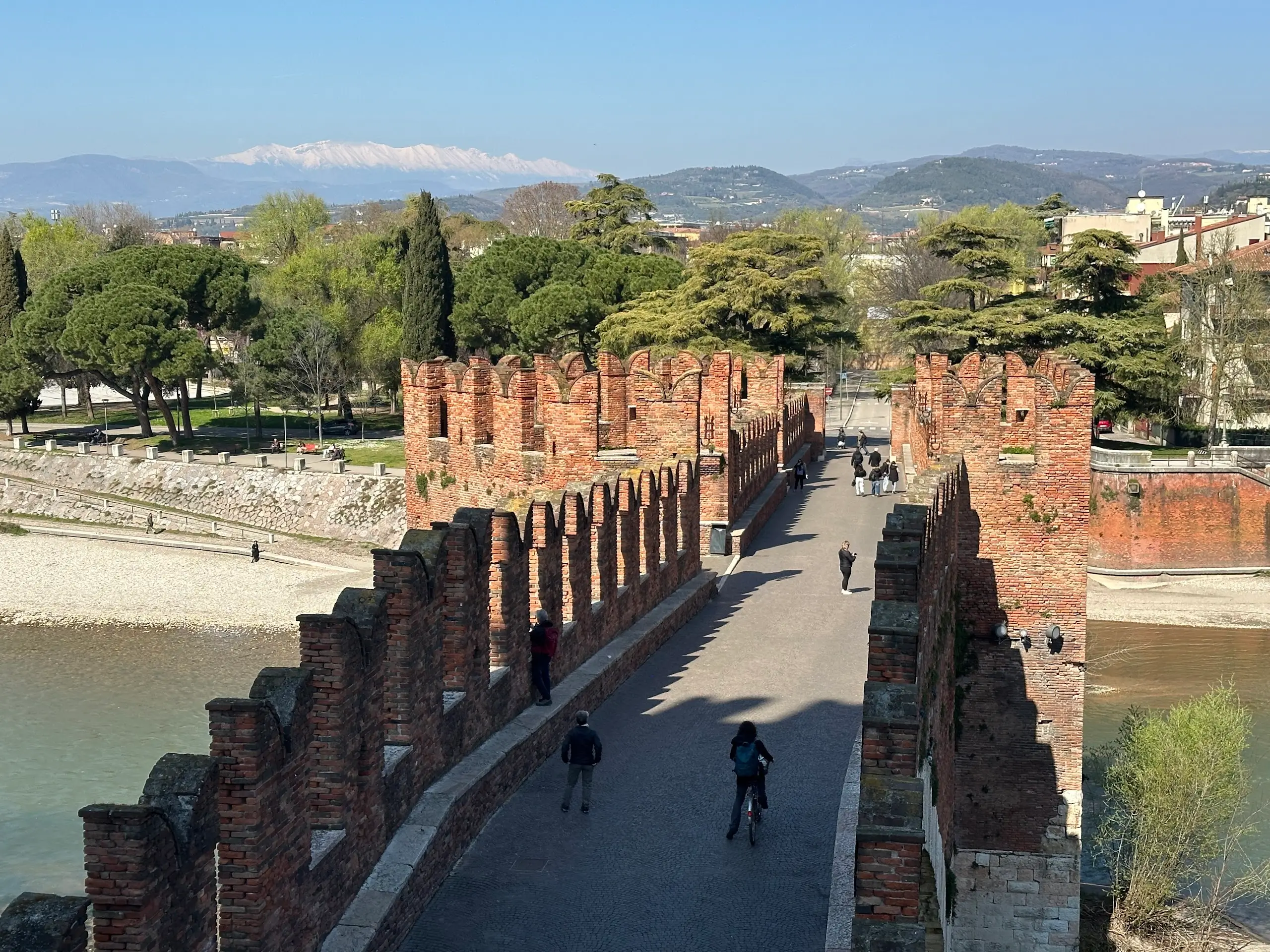
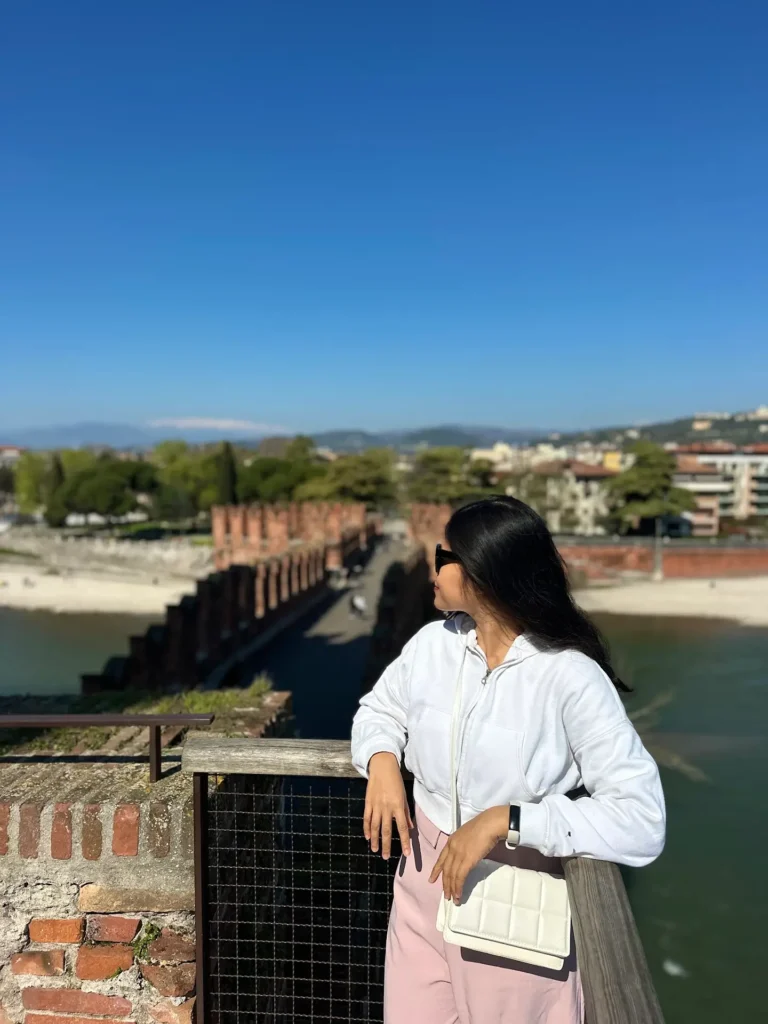
You begin your journey by strolling along the castle walls, the stone beneath your feet and the fortress rising majestically around you. Then, the space opens up, and you step out onto the Scaliger Bridge in Verona.
Immediately, the bridge shifts.
The bridge, also known as Ponte Scaligero in Verona, was constructed as an escape route for the Scaliger family. In case the city turned against them, this was their means of escape.
As I stand there, I feel its purpose connecting with me. It’s big but surrounded by tall brick walls, giving a feeling of safety while also looking out to the river below. It doesn’t seem just for show; it feels important.
There’s another layer to its significance. In April 1945, retreating German troops destroyed the bridge. What you see today was reconstructed between 1949 and 1951 using the original stones recovered from the riverbed. So you’re not just walking across something that looks historic—you’re walking on the same materials that have stood here for centuries.
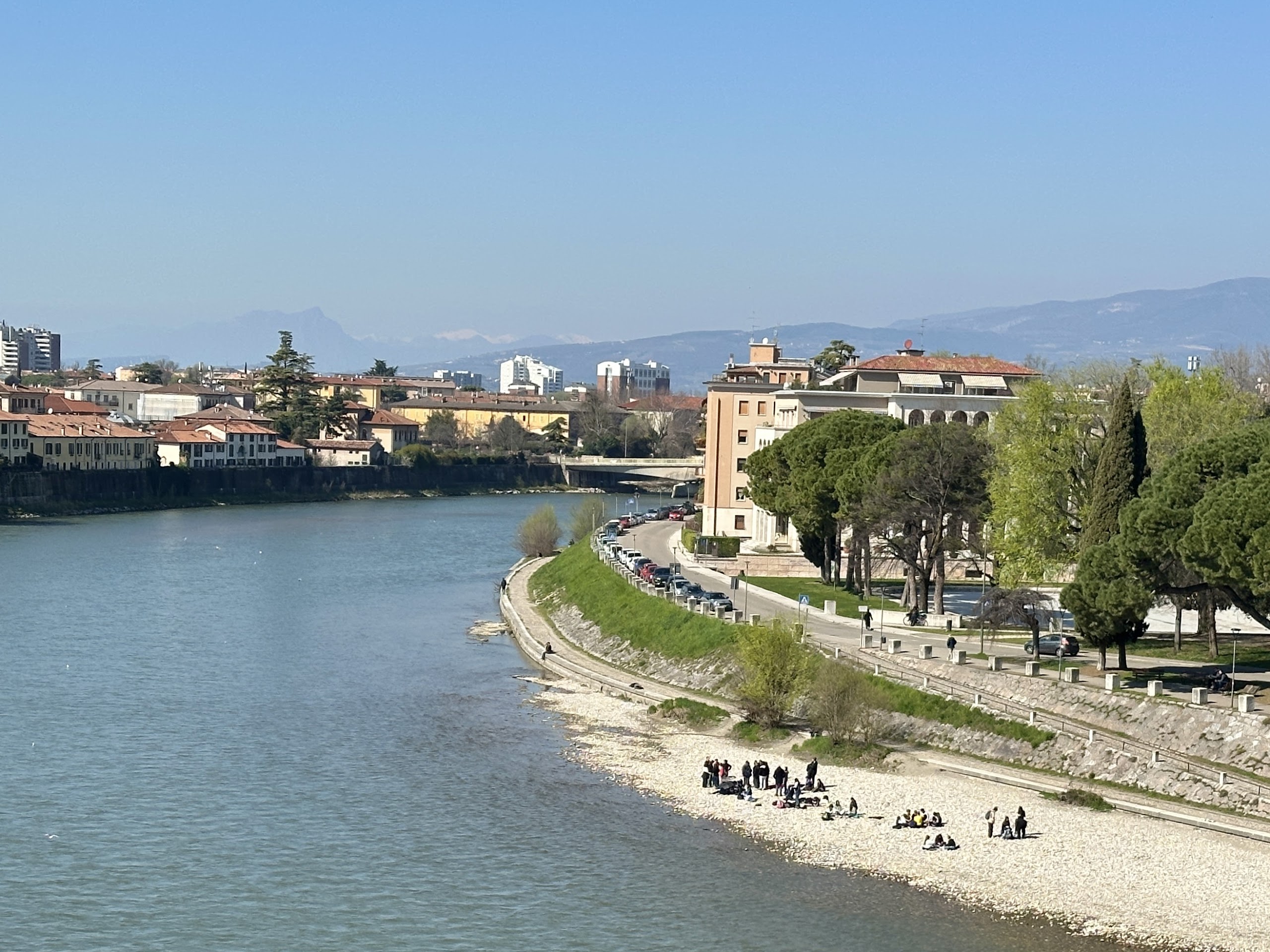
From the center, the view opens up to something truly remarkable. The Adige River flows steadily below, catching the light in a way that feels softer and more inviting compared to the rest of the city. There’s ample space to pause, lean against the wall, and simply take in the surroundings without feeling rushed—just a moment to breathe and truly appreciate the beauty around you.
I believe that’s the key to enjoying Verona—by slowing down.
Compared to the Arena, this place offers a serene atmosphere with fewer people and less noise. One of the things I appreciate the most is the gentle flow of the water and the refreshing breeze. It’s like a peaceful retreat in the midst of the day.
We didn’t plan to stay long, but we did. Just standing there for a while, taking it all in.
The best part is that you don’t need a ticket to see the bridge. It’s only for walking, free, and always open—no museum hours or waiting line. Even if you decide not to visit the Castelvecchio Museum in Verona, this alone is worth the walk.
This moment has left a lasting impression on me.
Curious about experiencing a day in Verona? Discover the ultimate guide with One Day in Verona: A Perfect Itinerary for First-Timers.
After the Bridge
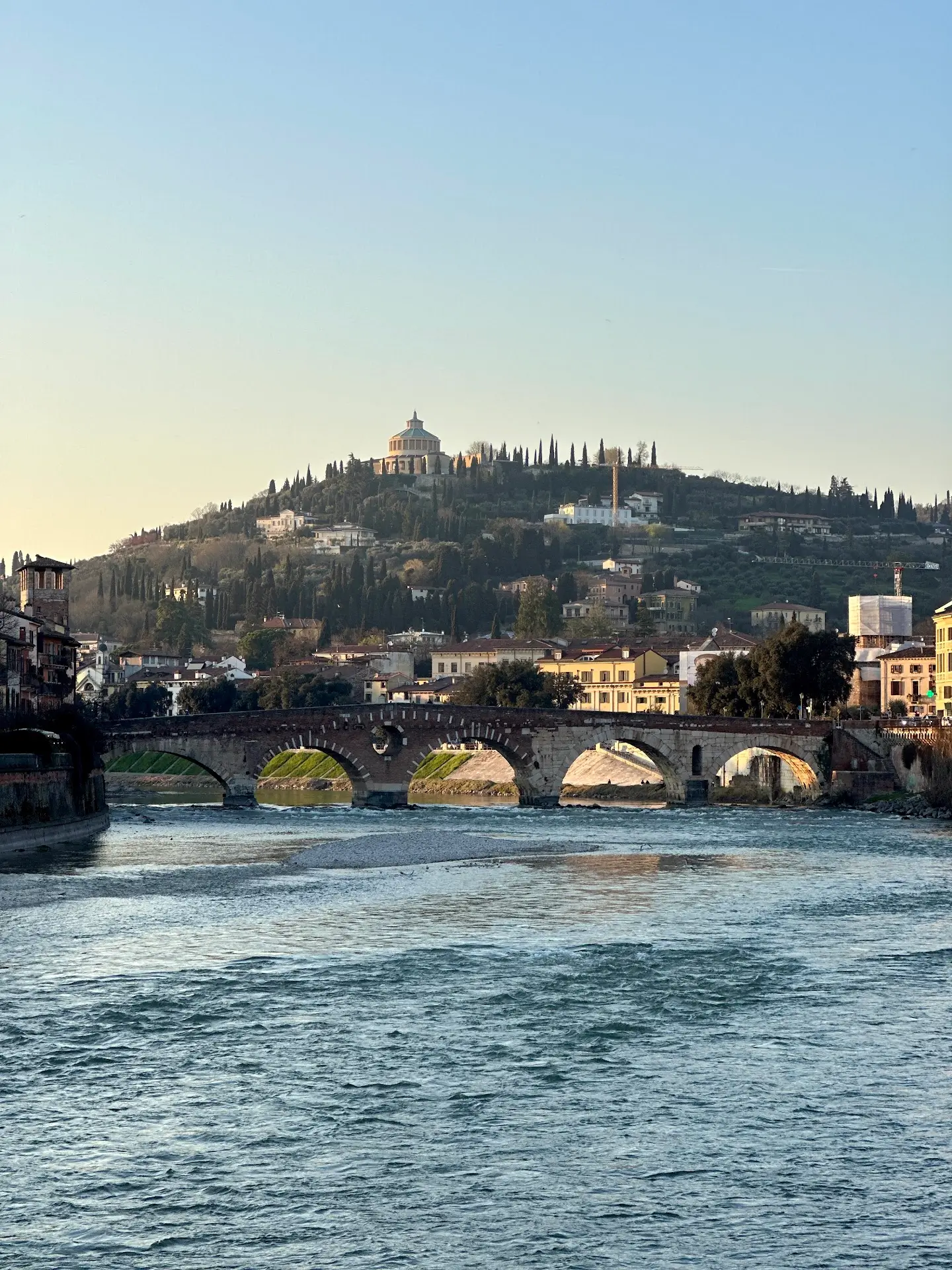
Once you cross the bridge, you naturally find yourself drawn towards the riverbank of Verona. The transition is subtle at first, but you can feel it. The historic center gives way to Veronetta—quieter, less polished, and more local. It’s not a difficult transition; it simply happens as you continue walking.
From here, Ponte Pietra is the obvious next stop. It’s a completely different kind of bridge—Roman-era, lighter, and more open—but just as scenic. Crossing it (or even just viewing it from the riverbank) feels like a continuation of the same experience rather than a separate attraction. It’s one of those transitions that makes the city feel connected instead of segmented.
If you’re not in a hurry, this is also a good place to slow down. The river path opens up in both directions, and it’s easy to simply walk without a plan for a while. You’ll spot Via Sottoriva across the water—a shaded street that runs along the river—and it’s the kind of place that invites you to linger rather than move on quickly.
If you still have the energy, this side of the river naturally leads up towards Castel San Pietro. It’s a short but steep climb, and the view at the top is one of the best in Verona.
Alternatively, you can skip all of that and simply stay by the water a little longer.
Honestly, that would still feel like time well spent.
If you’re curious about how to reach Castel San Pietro and what to anticipate upon arrival, I’ve compiled a handy guide: Castel San Pietro: Is It Worth the Climb?
What to Know Before You Go
When planning your visit to Verona, here’s what you need to know to make the most of your experience, without overthinking it.
ACCESS
- Scaliger Bridge: This is a delightful spot that’s completely free and open all the time. It’s a pedestrian-only bridge, so you can stroll across without any tickets or bookings. Just enjoy the view!
- Castelvecchio Museum: This museum REQUIRES a paid entry, but the prices are quite reasonable. A full ticket costs €9, while those aged 65 and over can get in for €6.
- If you’re an EU resident aged 18–24, it’s just €2. And if you have a Verona Card, entry is FREE! For those traveling between November and March, there’s a special €1 entry on the first Sunday of the month, which is a great option if you’re watching your budget.
VERONA CARD
The Verona Card is a fantastic option if you plan to visit multiple attractions. It includes Castelvecchio and is available for either 24 hours (€27) or 48 hours (€32).
If the Arena is a highlight for you, make sure to check its access status beforehand, as some parts were under renovation during my visit, which did limit the experience. However, when you pair Castelvecchio with visits to a few churches, Juliet’s House, and Torre dei Lamberti, the card can easily pay for itself in a day.
PRACTICAL INFO
- Location: You’ll find Castelvecchio at Corso Castelvecchio 2, on the western edge of the historic center. It’s about a 10–15 minute walk from Piazza Bra or Piazza delle Erbe, making it a convenient stop.
- Hours: The museum is open from Tuesday to Sunday, 10:00 AM to 6:00 PM, with the last entry at 5:15 PM. It’s closed on Mondays, December 25, and January 1.
- Time Needed: Plan for 1.5 to 2.5 hours to explore both the museum and the bridge, depending on your pace.
- Best Time to Visit: I recommend visiting in the morning to avoid crowds inside the museum, or in the late afternoon for better lighting and a quieter atmosphere on the bridge.
- Note: Keep in mind that some of the castle walkways and ramparts may be temporarily closed for maintenance. It’s a good idea to check the official museum site for the latest updates before you go.
Is Castelvecchio Worth It?
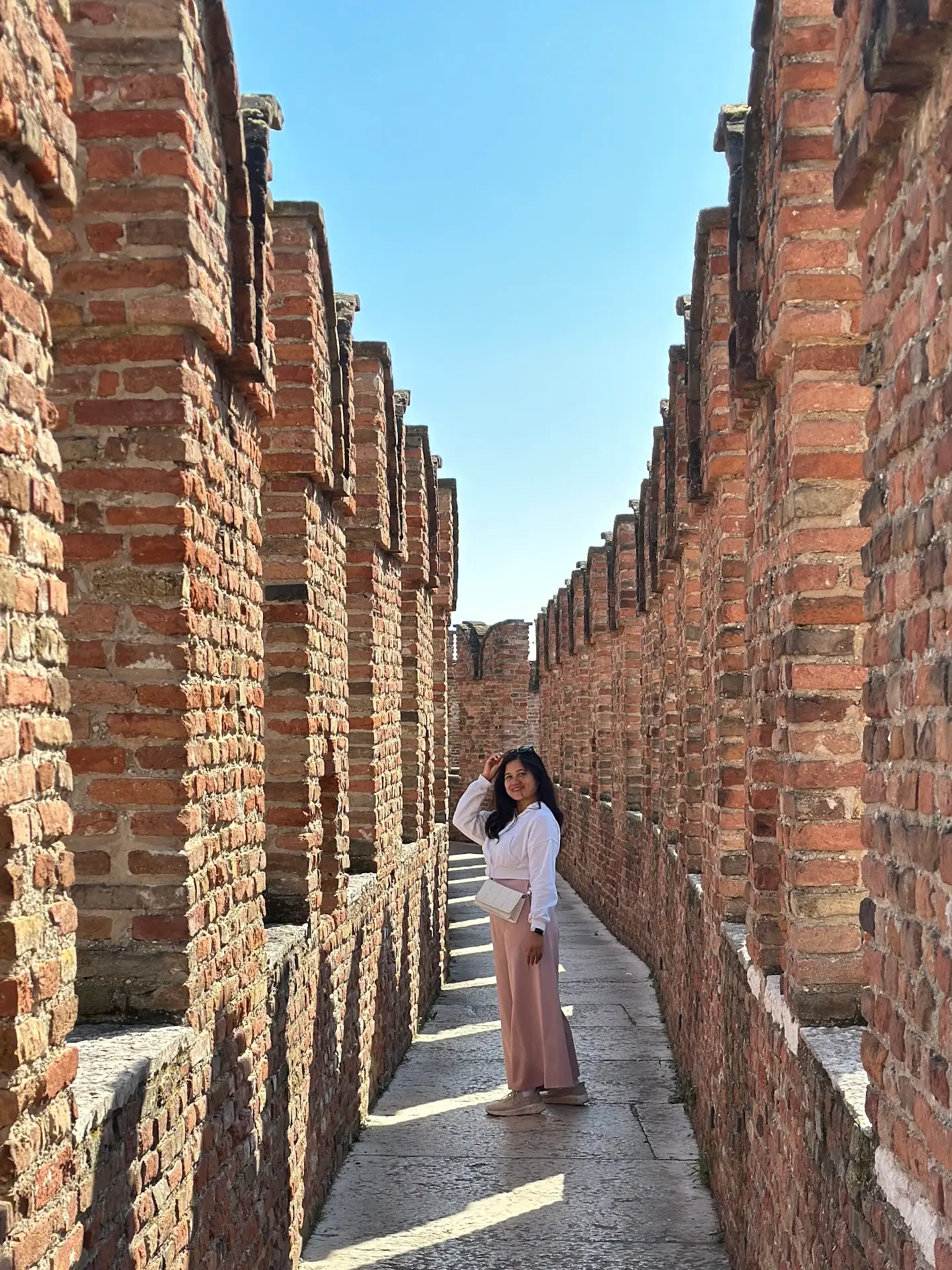
If you’re someone who cherishes quieter, more authentic experiences, Castelvecchio Verona is a place you should definitely consider visiting.
Imagine a museum that resonates with your love for thoughtful design and spaces that feel genuine. It’s a haven for slow travelers like you, architecture enthusiasts, and anyone seeking a peaceful escape from the bustling crowds, all while staying within the historic center.
And if you have the Verona Card, make sure to include this stop in your itinerary—it’s one of the highlights that truly justifies the cost.
But let’s say your time in Verona is limited, and you’re focused on the major attractions. In that case, you might think about skipping the museum itself. The Arena, the piazzas, and the main sights will still offer you a comprehensive experience. However, even if you decide to bypass the museum, the bridge alone is a 15-minute detour that’s completely free and still worth your time.
The Arena stands as Verona’s iconic landmark, while Castelvecchio is the unexpected gem that might just capture your heart. If you usually remember the quieter, less noticeable places more than the big attractions, this museum is the kind of place that will stay with you.
More to Do in Verona
Castelvecchio is a place that slows you down, and once it does, the rest of Verona begins to feel different.
From here, you can follow the river, cross towards Ponte Pietra, or climb up to Castel San Pietro for a breathtaking view of the entire city. It’s not a forced change; it’s a natural continuation of your journey.
This isn’t a single destination; it’s part of a rhythm.
When you truly dive into Verona, it opens up in ways you just won’t get by only hitting the big sights. Explore Verona in one day with this easy itinerary, designed to show you the best of the city.
As you walk through its historic streets, you’ll then realize why Verona is known for its charm and romance—and why it stays with you even after you leave.
READ MORE
- One Day in Verona: A Perfect Itinerary for First-Timers
- 14 Best Things to Do in Verona for First-Timers
- 11 Free Things to Do in Verona on Foot
- 10 Hidden Gems in Verona Most Visitors Miss
- 12 Easy Day Trips from Verona First-Time Visitors Will Love
- Juliet’s House, Verona: Worth It or Tourist Trap?
- Torre dei Lamberti Review: Nice Views, But Here’s the Catch
- Is the Arena di Verona Worth Visiting? An Honest Experience
- Castel San Pietro: Is It Worth the Climb?
- I Ranked the Best Views in Verona
- Best Churches in Verona (And the One You Shouldn’t Miss)
- Here’s What Each Verona Piazza Actually Feels Like
- What to Eat in Verona: The Dishes Worth Slowing Down For
- Where to Stay in Verona (Honest Neighborhood Breakdown)
- Day Trips from Verona by Train (What’s Actually Easy)
- Where to Eat in Verona: Local Spots, Pizza, and Gelato
- The Best Hotels in Verona for Every Budget
- 5 Best Pizzas in Verona (What We Loved and What We Missed)
- 2 Days in Verona: The Itinerary I’d Follow If I Could Go Back