Best Time to Visit Verona (and When to Skip the Crowds)
Spring is the ideal time to visit Verona, but the timing of your trip can significantly alter the city’s atmosphere.
Visiting during peak summer means you’ll be jostling for space outside Juliet’s House and rushing through the Arena in the scorching heat. However, if you time your visit correctly, Verona transforms into a serene, walkable city that perfectly captures the essence of Italy.
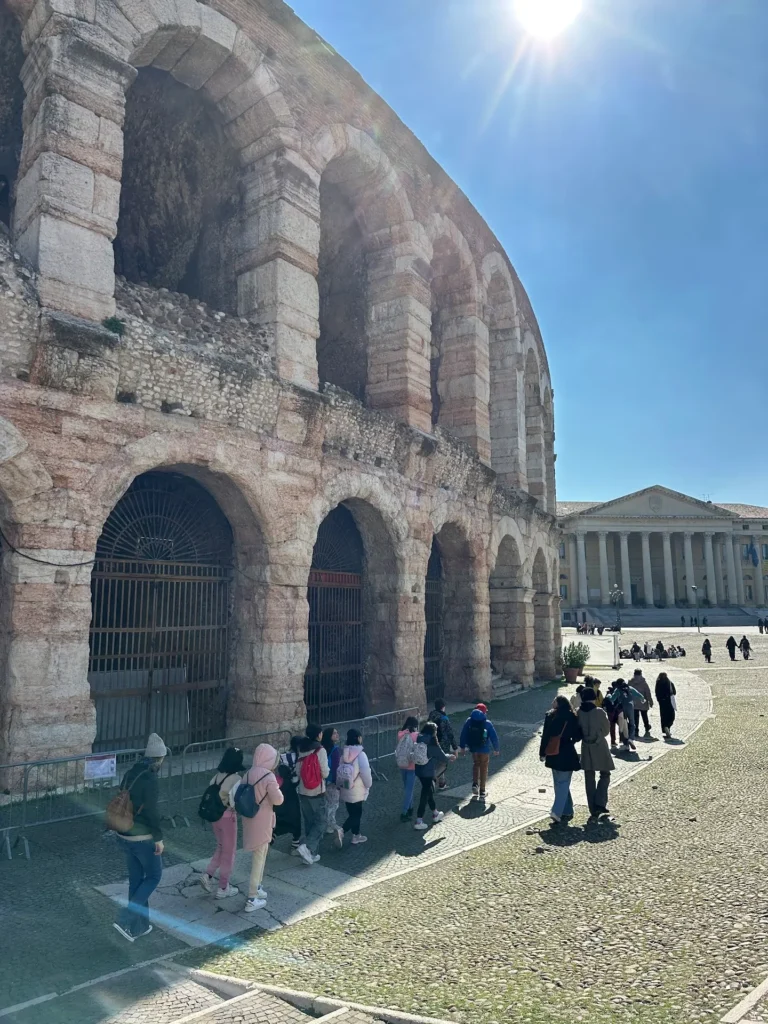
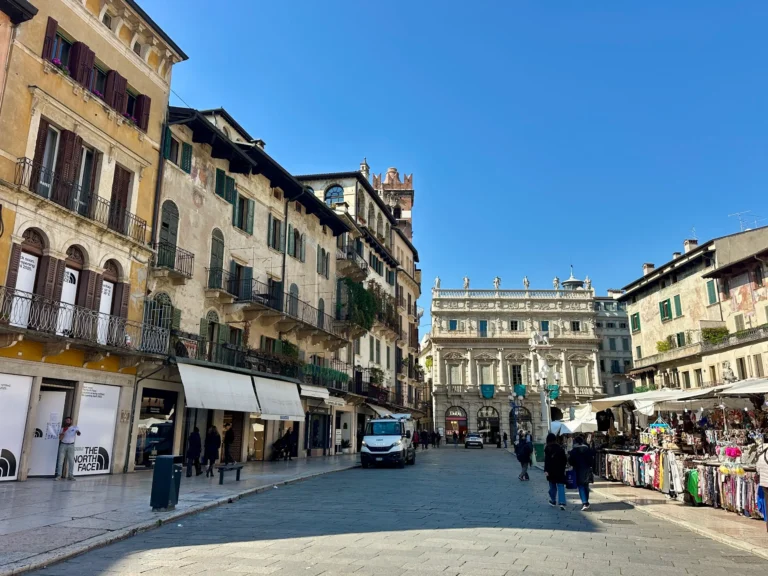
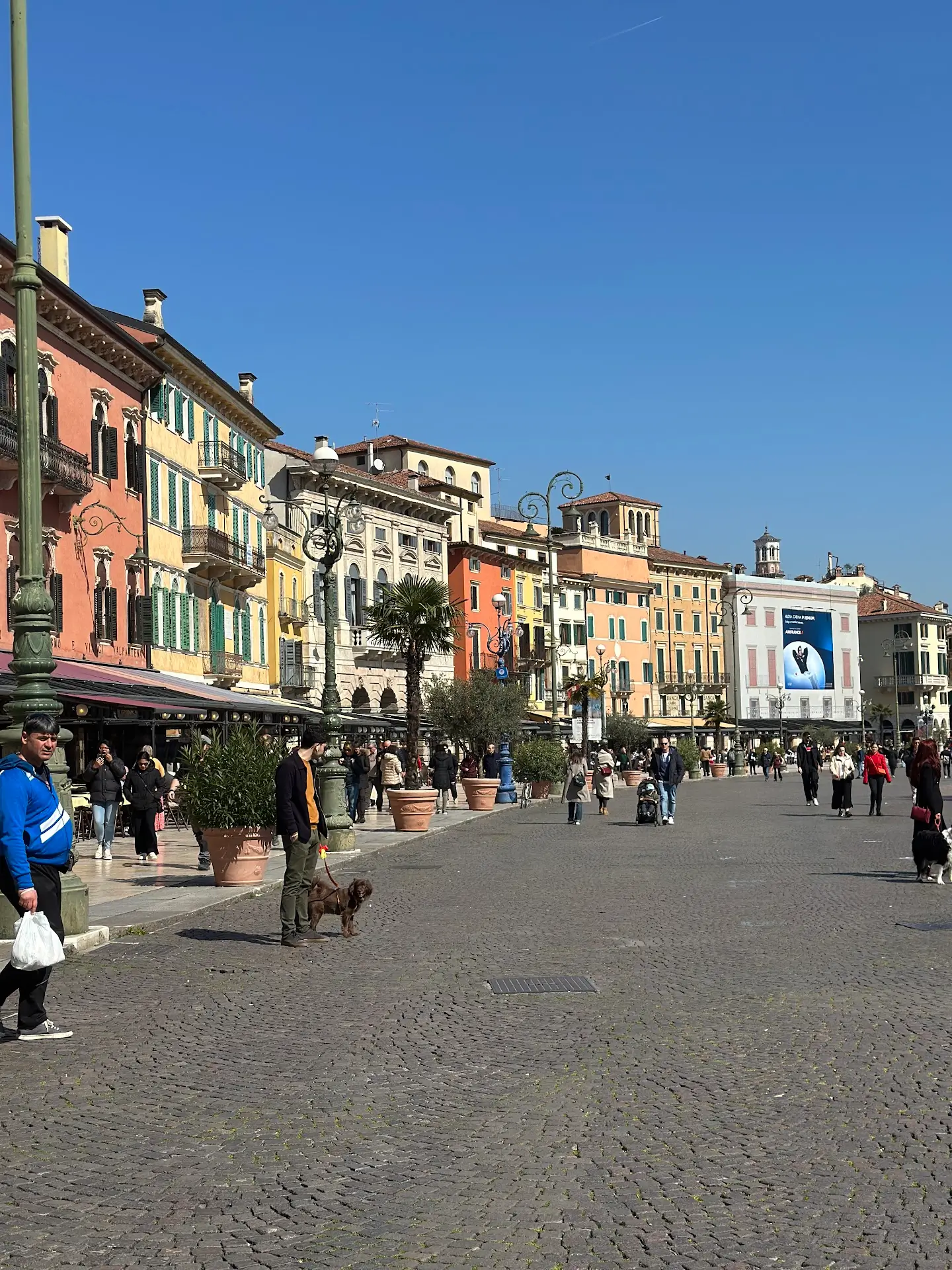
I had the pleasure of visiting Verona in March 2025, just before the crowds began to swell. The city moved at a leisurely pace, with mornings in Piazza Bra exuding an air of tranquility and quiet. Even the most popular attractions were enjoyable and not overcrowded. This experience taught me the importance of timing when visiting Verona.
This guide will help you figure out the best time to visit Verona, depending on what you’re hoping to get out of your trip. Whether you’re looking to dodge the crowds, enjoy perfect weather, catch an opera, or experience the wine harvest, I’ll give you the lowdown on when the city is at its best, when to steer clear, and how to plan your visit so you can make the most of your time there.
This site uses affiliate links. If you purchase through them, I may earn a commission at no extra cost to you. Thank you for your support!
Quick Answer: When to Visit Verona
If you’re seeking the best overall experience, plan your visit for April. However, if avoiding crowds is your top priority, consider visiting in March or October.
For those with specific experiences in mind, here’s a breakdown of the best time to visit Verona:
|
Season |
Best for |
Crowds |
Prices |
|---|---|---|---|
|
Spring (Mar–May) |
Best overall experience, walking weather |
Low–Medium |
Medium |
|
Summer (Jun–Sep) |
Opera season at the Arena |
High |
High |
|
Autumn (Sep–Oct) |
Wine season + day trips to Valpolicella |
Medium |
Medium |
|
Winter (Nov–Feb) |
Cheapest time to visit Verona |
Low |
Low |
If I Had to Pick One Time to Go
If I had to pick one time to visit Verona, I’d go in April.
The weather feels right for walking, the piazzas are lively without feeling crowded, and everything is open but easy to enjoy at your own pace. Summer, autumn, and winter each have their own reasons to visit—but if you want the best overall experience, this is it.
When to Skip the Crowds
If you’re looking to avoid the hustle and bustle, timing is key. July and August are the busiest months, with packed crowds, sky-high prices, and long lines at Juliet’s House and the Arena.
Easter weekend, no matter when it happens, also attracts a lot of people. By late May, the crowds start to swell, heading towards those summer peaks.
Summer Saturdays, especially in the evenings, are buzzing with opera nights. On the flip side, if you prefer a quieter experience, March, April, and October are the best times to visit.
Pro Tip: If you’re planning to visit during peak season, try to arrive early. Piazza Bra before 9 am feels like a completely different city.
SPRING IN VERONA: MARCH TO MAY — THE BEST TIME TO GO
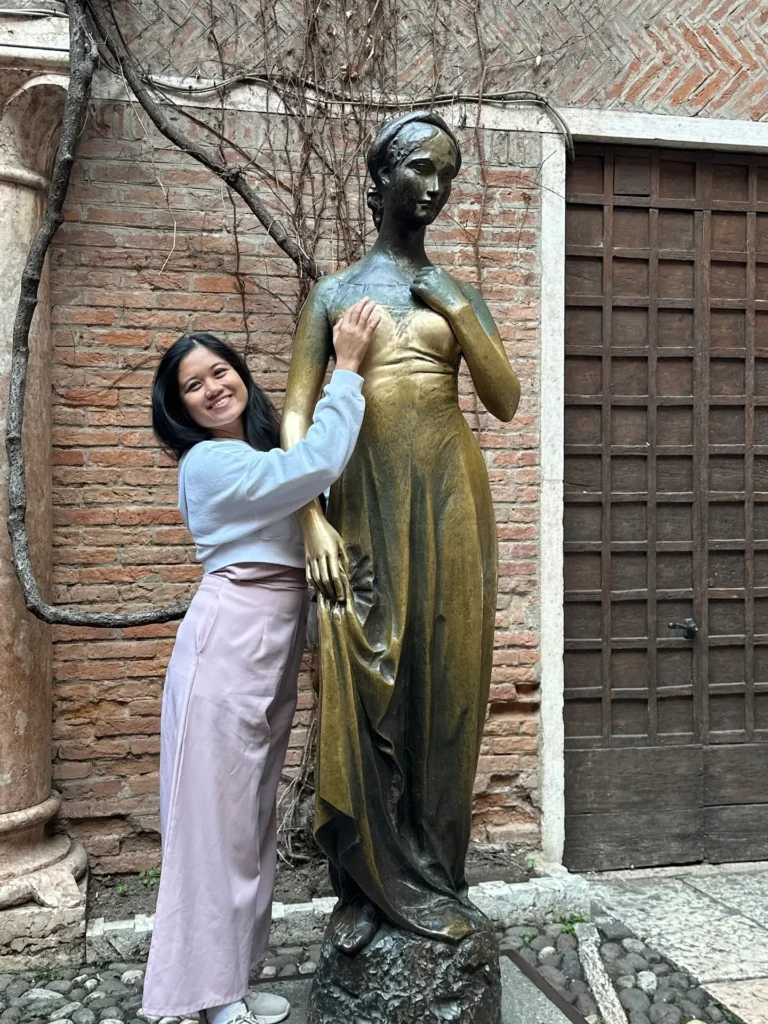
Visiting Verona in the spring provides the perfect opportunity to fully experience the city.
April and early May provide perfect weather, with temperatures around 15 to 18°C, ideal for exploring on foot. The piazzas are lively but not overcrowded, making it easy to navigate between attractions.
March is also great for a quieter experience, with cooler temperatures of 10 to 13°C. Layers are recommended, and it’s wise to check Arena access in advance. Spring changes the city’s ambiance.
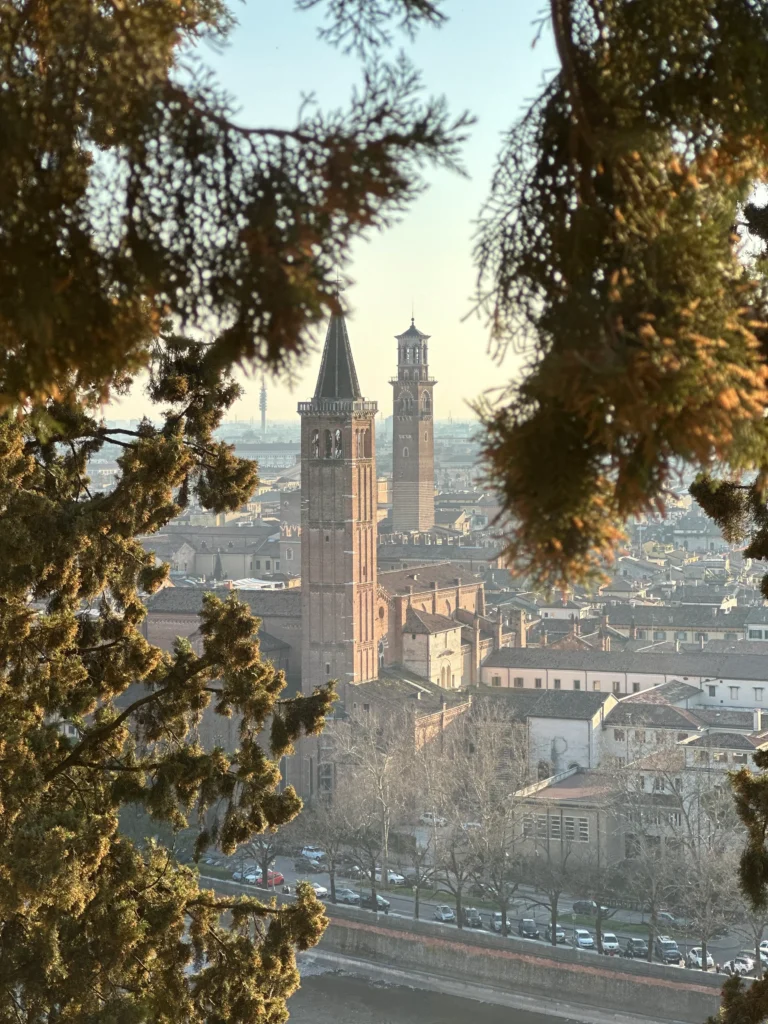
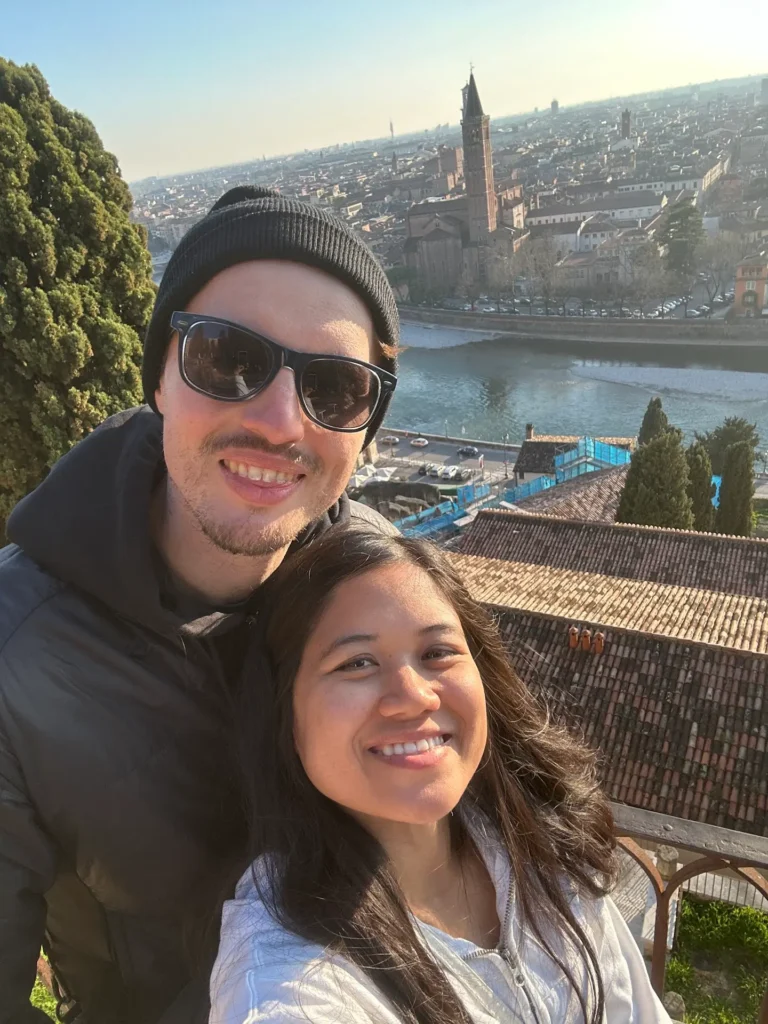
Piazza Bra captivates with its vibrant colors, charming buildings, and diverse crowd. Castel San Pietro offers breathtaking views, where time seems to slow down. Veronetta feels like Italy frozen in time, more authentic and lived-in. Juliet’s House is manageable during spring, with fewer visitors.
Initially, I planned a quick stop in Verona, but the city demands a slower pace. Skip attractions that don’t interest you and savor those that do. Allow time to explore and enjoy some gelato. Verona rewards a slower approach.
Keep a few things in mind when planning. As late May approaches, crowds increase, and the relaxed atmosphere fades. Plan earlier in spring for a more enjoyable experience. Easter weekend sees a significant crowd increase, especially around Juliet’s House and Piazza Bra.
For visiting the Arena, timing is crucial. It’s closed every Monday. Outside opera season (June to September), visit from Tuesday to Sunday. During opera season, Monday is better for daytime visits, as other days close earlier for evening performances.
Spring is an amazing time to visit Verona without breaking the bank, especially during the shoulder season. I’ve put together a detailed list of hotel suggestions that should suit any traveler’s needs. If you’re still deciding, take a look and see what catches your eye!
Pro Tip: To make sightseeing easier and save on entry fees to major attractions, consider purchasing the Verona Card. This card provides access to Juliet’s House and other key sites.
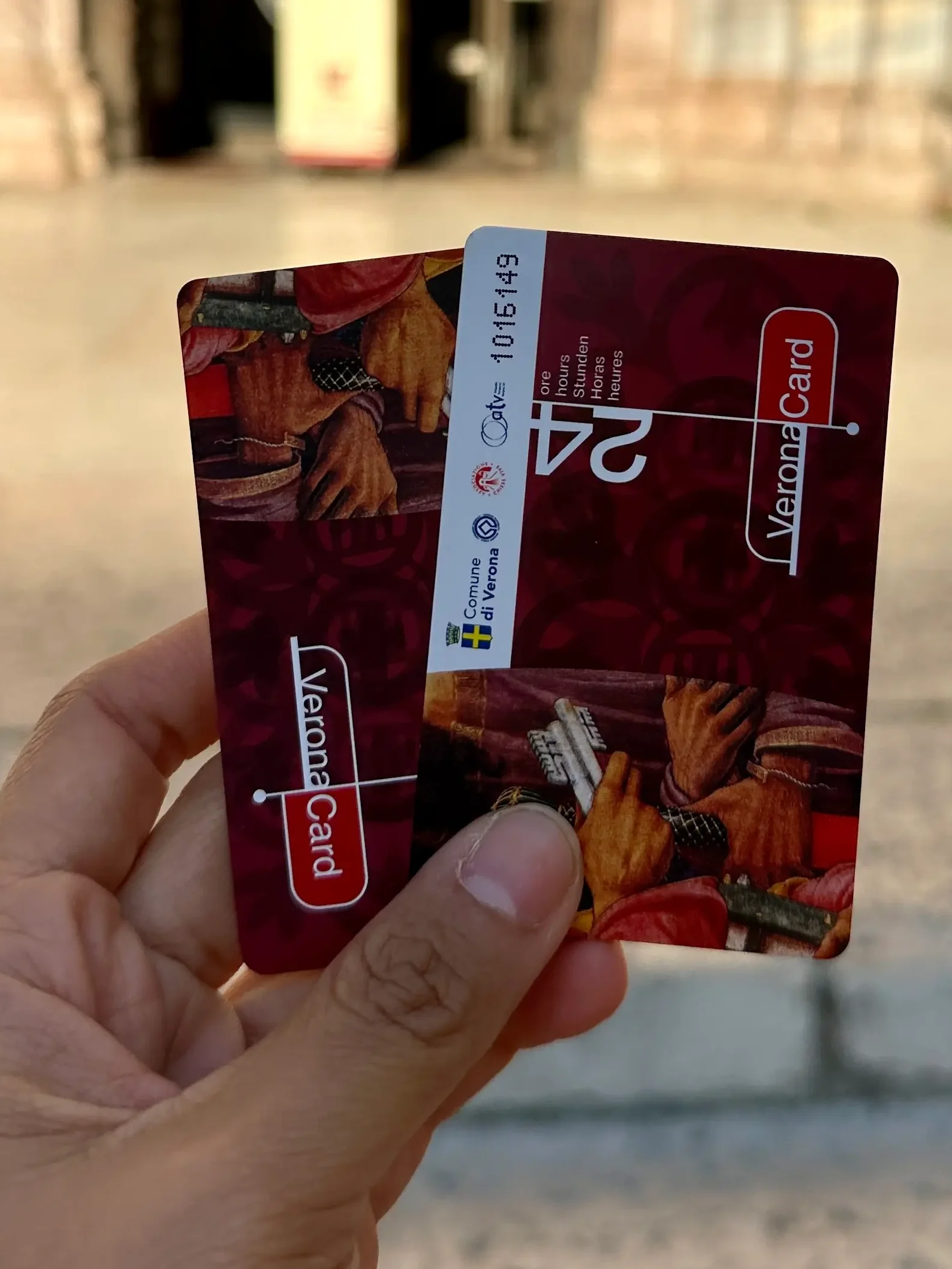
verona card
If you’re planning to visit multiple attractions, I highly recommend getting the Verona Card.
It gives you free or priority access to major sites like the Arena di Verona and Juliet’s House, and it can save you both time and money.
I saved $20 during my visit to Verona just on the attractions I really wanted to see!
Summer in Verona: June to September — Opera Season

Summer in Verona is a whirlwind for me—the heat is intense, and the crowds are at their peak—but honestly, that’s not what draws you in. The opera is.
The Verona opera season runs from June through early September (2025: June 13–September 6; 2026 opens mid-June). Performances usually start around 9:00–9:30 PM, which means I have the whole day to explore before the city transforms into something completely different at night.
During the day, brace yourself for temperatures around 25–30°C in July and August, with the humidity making it feel even heavier. By midday, the Arena area and Juliet’s House are bustling, and the city can feel crowded and slow to move through.
August is the peak of it all—highest hotel prices, busiest streets, and the hardest time to book last-minute. If I’m planning a summer trip, this is definitely the time to book everything early.
The Arena also operates differently in summer, which I find fascinating.
From April onward, staging for the opera season limits how much visitors can move around inside during the day. Visiting hours are shorter (typically closing around 5:00 PM Tuesday to Sunday), and Monday — when the Arena is usually closed — actually becomes the better day for a daytime visit during this period.
But all of that fades once the evening begins. If I ever come back in summer, I would love to watch an opera there. I think that would be unforgettable.
Pro Tip: If you’re planning to go, book your tickets early — especially for July and August, when the most popular performances sell out in advance.
If you want to understand what the Arena is like during the day, what tickets cost, and how to choose seats, I’ve broken that down in my full guide here: Is the Arena di Verona Worth Visiting? An Honest Experience
Autumn in Verona: September to October — Wine Season
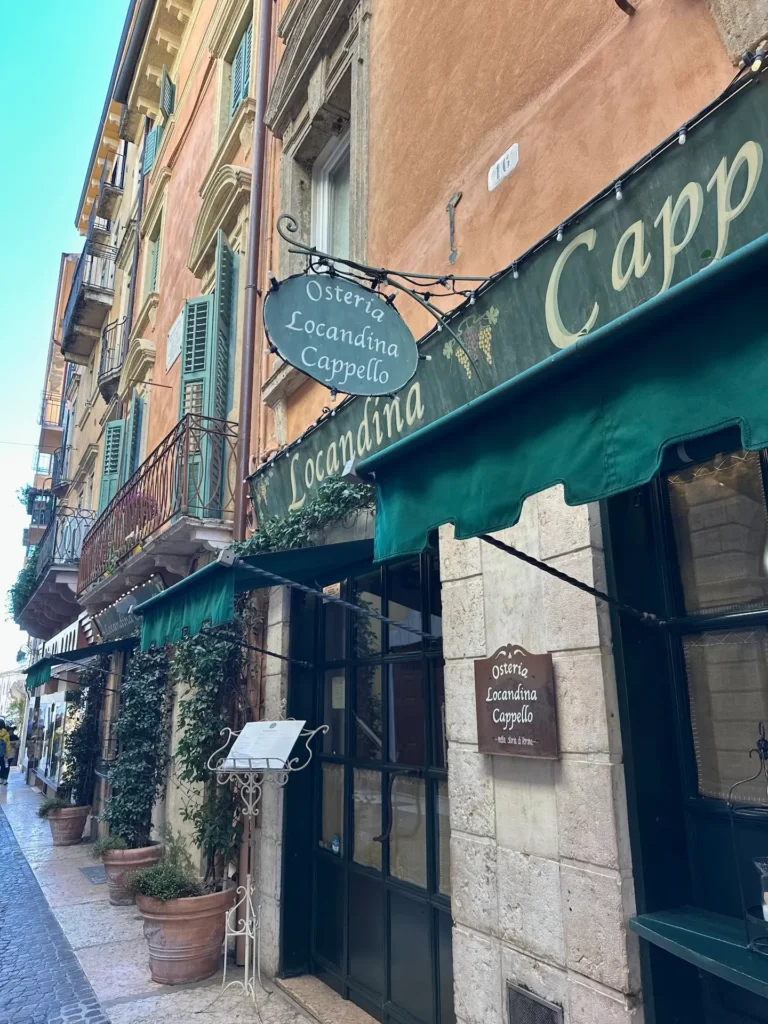
Autumn in Verona isn’t really about the city itself — it’s about what’s just outside it.
The Valpolicella wine region sits about 20 to 30 minutes away, and harvest season runs from mid-September through mid-October. This is when the wineries are at their most active. Grapes are being picked, production is underway, and visits feel more connected to what’s actually happening — not just a standard tasting.
If you’re planning a trip around wine, this is the time to do it.
Most Valpolicella wine tours run directly from Verona’s city center, with half-day and full-day options that include transport. It’s an easy addition to your itinerary without needing to rent a car or plan logistics yourself.
The wines here are also some of the most well-known in the region — Valpolicella Classico, Ripasso, and Amarone. Amarone, in particular, is the one you’ll see across menus in Verona, including dishes like risotto all’Amarone.
We didn’t make it out to Valpolicella on my trip, but if I were planning a return in autumn, this is exactly what I’d build the itinerary around.
Back in the city, autumn feels like a reset after summer. Crowds start to thin once opera season ends, temperatures sit comfortably between 12–20°C, and prices ease back from peak-season highs.
The Arena also returns to normal visiting hours in autumn — open Tuesday to Sunday during the day, and closed on Mondays year-round.
After picking up a bottle from your wine tour, keep the experience going with a proper meal. Head to a local osteria and enjoy traditional Veronese dishes paired with your wine. If you are not sure where to go, check out our where to eat in Verona guide for handpicked osterias worth your time.
Winter in Verona: November to February — Low Season
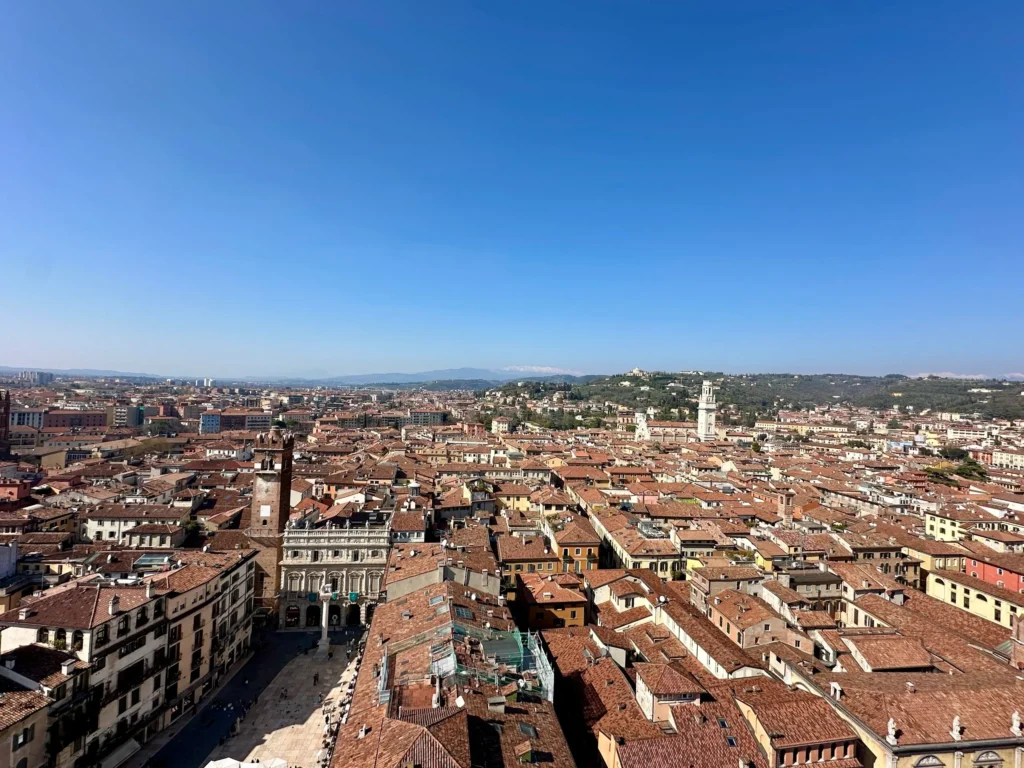
Winter in Verona is quieter, slower, and very different from the rest of the year. That is exactly what makes it appealing for the right kind of trip.
January and February are the coldest months. Night temperatures often fall close to 0°C, and morning fog is common. You will not get long sunny days, but you will see a more local side of the city.
Crowds are at their lowest. Piazzas feel calmer and easier to enjoy. You can focus on details like architecture, small streets, and everyday life without the usual rush.
Veronetta feels especially atmospheric in winter. It has a worn, lived-in character that stands out more when the city is quiet.
December shifts the mood. Verona’s Christmas market, traditionally in Piazza dei Signori, often expands into nearby squares like Piazza Bra, bringing lights, stalls, and a festive atmosphere.
Source: VisitVerona.it official tourism website
Winter is also the most budget friendly season. Hotel prices drop, with January and February usually offering the best deals.
There are practical perks too. On the first Sunday of each month from November to March, entry to many Civic Museums is reduced to €1, though participation can vary by site and year.
The Arena di Verona follows its standard low-season schedule, open during the day Tuesday to Sunday and closed on Mondays.
Winter is not for everyone. But if you want fewer crowds, lower prices, and a more local feel, this is when Verona is at its most authentic.
Events That Should Influence Your Dates
While the weather might change, the real changes in Verona are happening right here in the city! If you’re flexible with your dates, here are some events you might want to plan around (or maybe skip):
- Arena Opera Festival (June to early September): This is Verona’s summer highlight. You can either plan your visit around it or try to avoid the peak season to dodge the crowds and higher prices.
- Valpolicella harvest (mid-September to mid-October): This is the perfect time to enjoy wine tours just outside the city. Tours can get booked up fast, so it’s a good idea to plan ahead.
- Vinitaly wine fair (typically April, Verona Expo): This is a big international wine event that attracts industry folks. Hotels, especially in the heart of Verona, can get booked up or prices can go up.
- Easter weekend (March or April): This is one of the busiest weekends of the year. You can expect lots of people in the historic center, no matter the month.
- Verona Christmas market (December): This adds a festive touch to the city, especially around Piazza dei Signori. It’s a great time to visit during the winter.
Quick Tip: Verona doesn’t have a Carnival celebration like Venice, so February isn’t really a big draw for that reason.
FAQs: Timing, Crowds & Weather
Is Verona worth visiting in winter?
Yes, especially if you’re looking for lower prices and fewer crowds. The city feels quieter and more local, and December brings a festive Christmas market that adds to the ambiance. However, be prepared for cold temperatures, occasional fog, and shorter days. The Arena remains open from Tuesday to Sunday during the regular winter season.
When is Verona most crowded?
July and August are the busiest months, with peak crowds across the city. September starts busy due to the tail end of opera season but thins out quickly once it ends. May also builds toward summer levels, and Easter weekend is a crowd spike no matter when it falls.
Do I need to book Arena opera tickets in advance?
Yes, especially during July and August when evening performances often sell out. Don’t leave this until you arrive. If you haven’t gotten your ticket yet, you can book it here.
What’s the weather like in Verona in March?
March is cool and a bit variable, with daytime temperatures around 10–15°C and colder mornings. It’s comfortable for walking if you bring layers, but you may get some rain or fog. From experience, it’s manageable and still a great time to visit — though April is warmer and easier overall.
Is the Arena open year-round?
Yes! the Arena is open Tuesday to Sunday and closed on Mondays year-round. Visiting hours vary by season, with shorter daytime access during opera season due to evening performances. It’s always worth checking the official site for current hours: https://www.visitverona.it/en/poi/arena-amphitheatre
Take Your Time in Verona
When you visit Verona, take your time to savor the city at your own pace. Wander through its charming piazzas, pause to admire interesting sights, and relish the experience without rushing to see everything.
To help you plan your trip, here’s a guide to some of Verona’s best attractions. If you’re looking to make the most of your time and money, this Verona Card guide can help you decide if it’s a worthwhile purchase.
Choose your timing well, and Verona becomes easier to enjoy, easier to explore, and far more memorable.
READ MORE
- One Day in Verona: A Perfect Itinerary for First-Timers
- 14 Best Things to Do in Verona for First-Timers
- 11 Free Things to Do in Verona on Foot
- 10 Hidden Gems in Verona Most Visitors Miss
- 12 Easy Day Trips from Verona First-Time Visitors Will Love
- Juliet’s House, Verona: Worth It or Tourist Trap?
- Torre dei Lamberti Review: Nice Views, But Here’s the Catch
- Is the Arena di Verona Worth Visiting? An Honest Experience
- Castel San Pietro: Is It Worth the Climb?
- I Ranked the Best Views in Verona
- Best Churches in Verona (And the One You Shouldn’t Miss)
- Here’s What Each Verona Piazza Actually Feels Like
- What to Eat in Verona: The Dishes Worth Slowing Down For
- Where to Stay in Verona (Honest Neighborhood Breakdown)
- Day Trips from Verona by Train (What’s Actually Easy)
- Where to Eat in Verona: Local Spots, Pizza, and Gelato
- The Best Hotels in Verona for Every Budget
- 5 Best Pizzas in Verona (What We Loved and What We Missed)
- 2 Days in Verona: The Itinerary I’d Follow If I Could Go Back
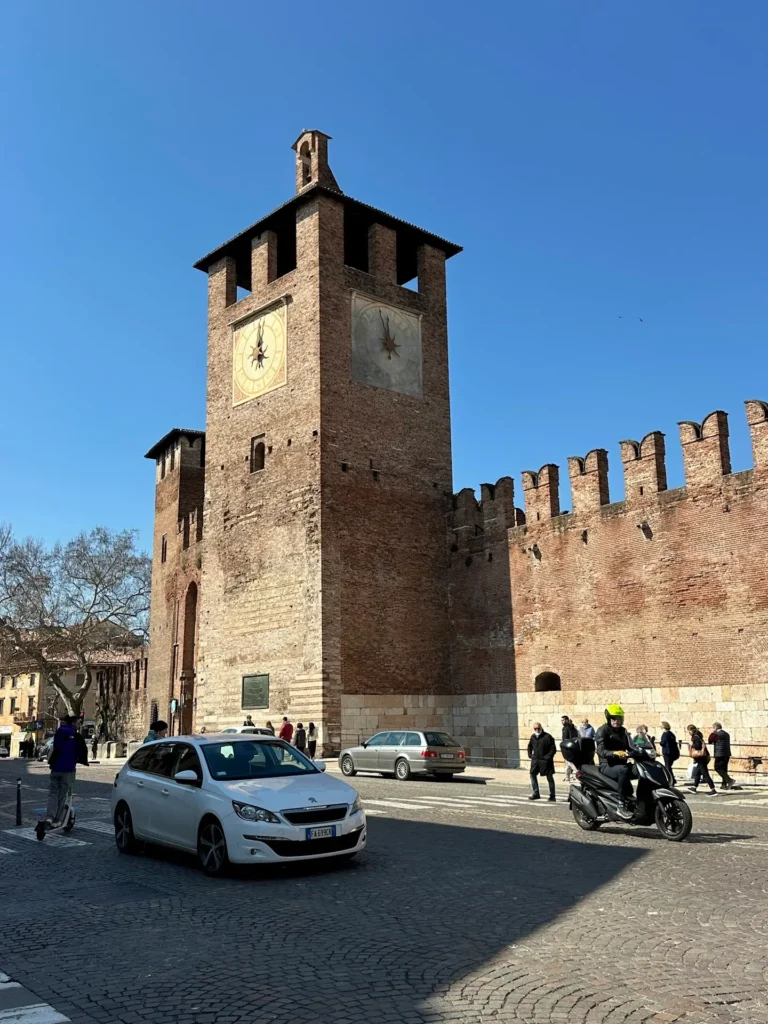
- Why Castelvecchio Verona Surprised Me More Than the Arena