Juliet’s House, Verona: Worth It or Tourist Trap?
Many travelers arrive in Verona wondering if Juliet’s House is a tourist trap. I had the same question before visiting.
I went to Juliet’s House, Verona, in March 2025 with my partner, Mat, while exploring the historic center. We had the VeronTa Card, stepped into the courtyard, and walked through the small museum, and I went up to the famous balcony while Mat stayed below to take photos.
Juliet’s House was touristy, yes, but still charming. I don’t think it is a must unless you care about Romeo and Juliet or are visiting as a couple. But because we had the Verona Card, it felt worth doing quickly.
There is even a sign that limits your time on the balcony to one minute. Inside the museum, you can read letters people have written to Juliet. And while I was standing on the balcony, a group of school kids looked up; one pointed at me and asked if I was Juliet. The whole group waved. That moment made the visit far more memorable than I expected.
In this blog, I will share what the visit is really like, what has changed with the new ticket system, and whether Juliet’s House in Verona is actually worth your time.
This site uses affiliate links. If you purchase through them, I may earn a commission at no extra cost to you. Thank you for your support!
What Is Juliet’s House
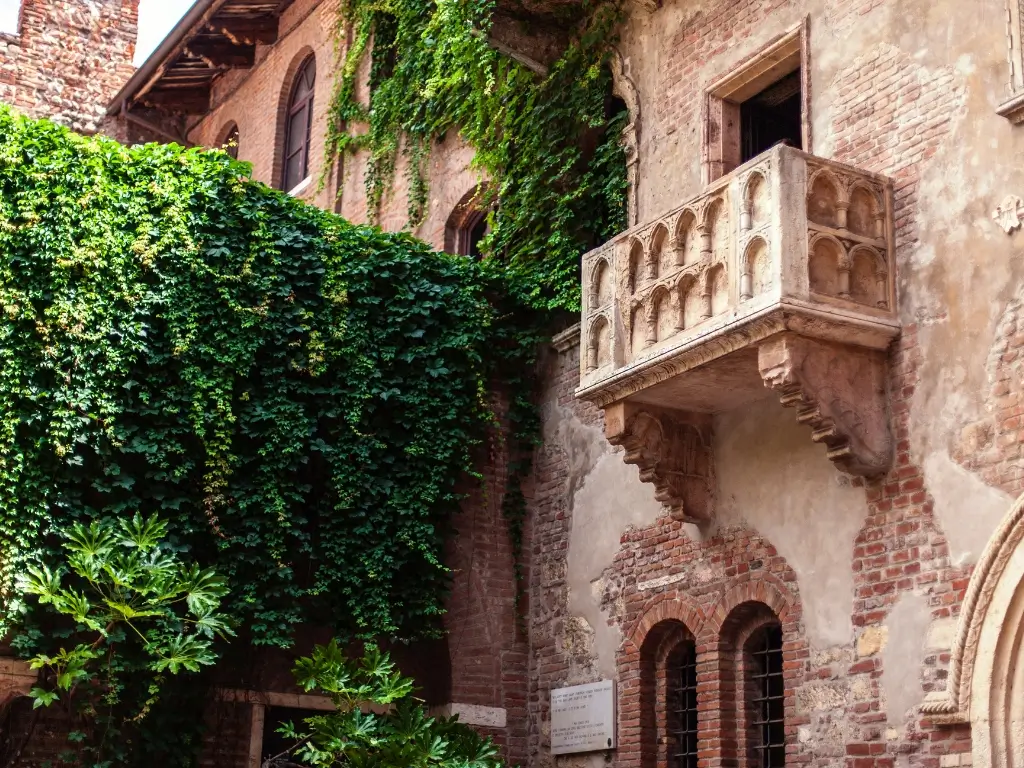
Juliet’s House Verona sits at Via Cappello 23. The building dates to the 13th century and once belonged to the Dal Cappello family. Their surname, Cappelletti in Italian, sounds close enough to Capulets to help spark the legend. The connection is loose, but the city embraced it.
The story of Romeo and Juliet is fiction. William Shakespeare never visited Verona. His play drew from earlier Italian tales that already told the story of tragic lovers.
In 1905 the Municipality of Verona bought the building and later restored it from 1939 to 1940. During that work the famous balcony was added using 14th-century marble fragments. The balcony looks old, but it is not original.
The Courtyard and the Statue
The courtyard is the main gathering space at Juliet’s House Verona. Most visitors stop here before entering the museum. You walk through a short passage from Via Cappello, then the space suddenly opens into a small courtyard.
The famous balcony sits above you, and the Juliet statue stands right in the center. It is the first moment where the place starts to feel familiar, almost like stepping into a scene people already recognize from photos.
One of the most interesting things that you will notice is the layers of love notes, names, and messages from visitors. Some are short declarations. Others are full letters.
For many years people stuck notes directly onto the brick walls. The city later banned this practice and introduced fines that can reach 500 euros. To be honest, this is kind of understandable given that there are many tourists who go here; to make sure to make a way to preserve the attraction, something like this has to be implemented.
Removable wooden panels were installed so visitors can still leave messages. The setup may change over time, but the tradition of leaving love notes remains very visible in the courtyard.
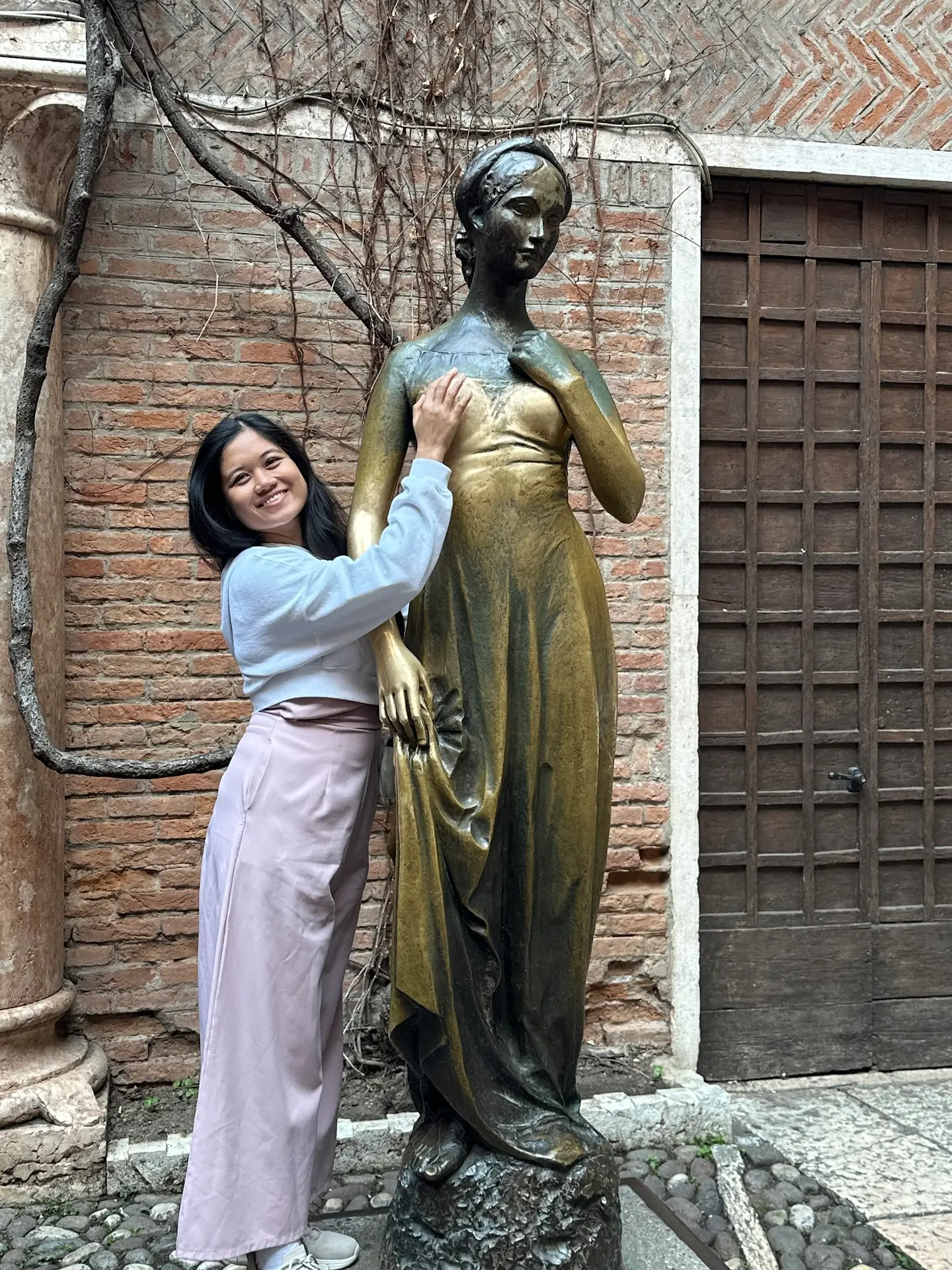
At the center stands the bronze Juliet statue created by Italian sculptor Nereo Costantini. It was installed in 1972. After decades of visitors touching the statue, the original began to wear down and had to be moved inside the museum for preservation. The statue you see in the courtyard today is a replica, but it still draws the same attention from visitors.
If you do not know the tradition, it can be surprising at first. Many visitors touch Juliet’s right breast on the statue. People believe the gesture brings luck in love. Visitors usually line up for a photo and a quick touch before moving on.
It may feel a bit unusual at first. But once you are standing in the courtyard with everyone else looking up at the balcony, it starts to feel like part of the experience. I ended up doing it too. Mostly for fun, and maybe a little for luck.
Pro Tip: This courtyard gets crowded. It is one of the busiest spots in Verona. Expect tour groups, photo lines, and a steady flow of visitors in a small space. Visit early in the morning if you want fewer crowds and a quicker photo.
2025 Update: Courtyard Is No Longer Free
If you are planning a visit to Juliet’s House, there is an important change to know. The courtyard is no longer free to enter.
The standard ticket costs €12. This ticket covers the full site, including the statue and the letter wall inside the courtyard. Free access to the courtyard no longer exists.
Entry now works through timed slots. Around 45 visitors are allowed every 15 minutes to manage the crowds.
Tickets must be booked online through the official Musei Verona website. There is no ticket office at the entrance. If you have a Verona Card, entry is still free, but you must reserve a time slot online before arriving.
I visited in March 2025, before this change took effect. At that time, the courtyard was open to the public, and you could walk in freely to see the statue and the balcony.
Pro Tip: Alternative booking options are available, such as Klook or GetYourGuide. I personally checked both the official website to compare prices; usually third-party applications were cheaper because they run promos. Plus, cancelation options are often more flexible.
The Balcony: One Minute at the Top

When we reached the balcony section inside Juliet’s House, we split up for photos. Mat went down to the courtyard while I went up to the balcony.
If you are visiting as a couple, this works well. One person stands below to take photos while the other goes up. If you are traveling alone, you may need to ask someone nearby to take your picture.
There is a sign near the balcony that says the maximum time allowed is one minute. It sounds strict, but it helps keep the line moving since many visitors want their photo here. There was no line when I went, so I had enough time to take a few pictures before stepping aside.
The view from the balcony is simple. You are looking down at the courtyard full of visitors. To set expectations, this is not a scenic rooftop view of Verona. The statue, the letter walls, and a crowd of people with cameras fill most of the scene below.
One moment stood out during our visit. A school group was in the courtyard when one kid pointed up at me and asked, “Is that Juliet?”. The whole group started waving. I waved back and laughed.
That moment became the highlight of my visit. The balcony itself is small, and the one-minute limit is real. But sometimes a quick moment with strangers turns the experience into something memorable.
If you plan to visit several attractions in Verona, I highly recommend getting the Verona Card; not only is Juliet’s House included, but also some other attractions.
INSIDE The Museum
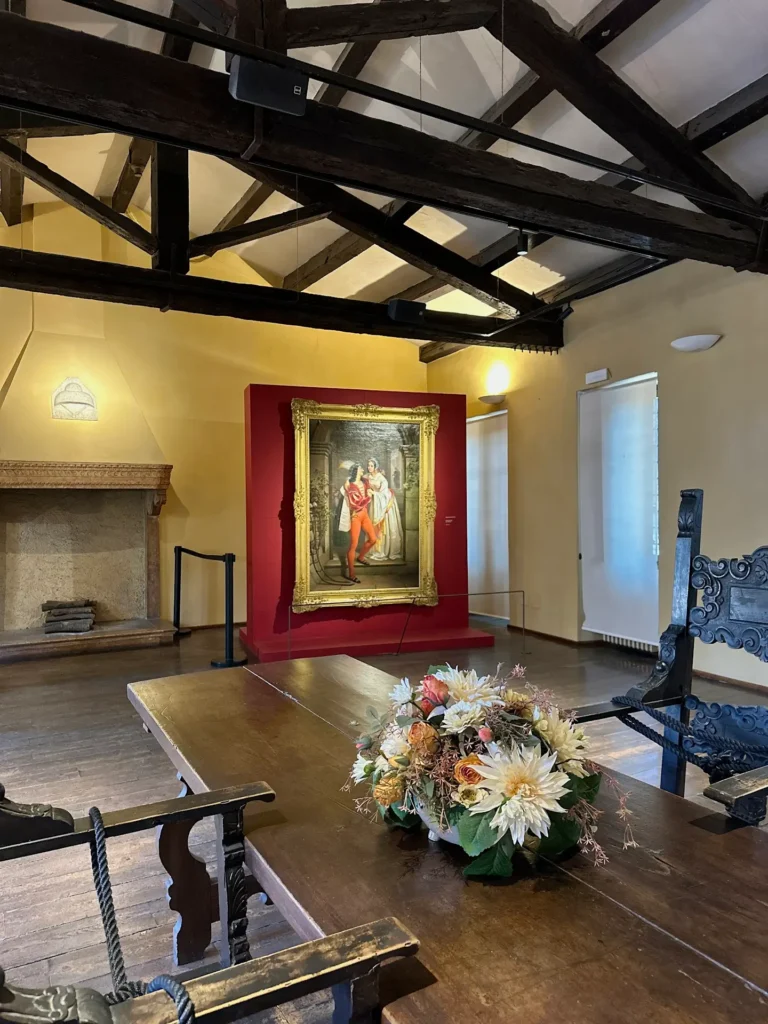
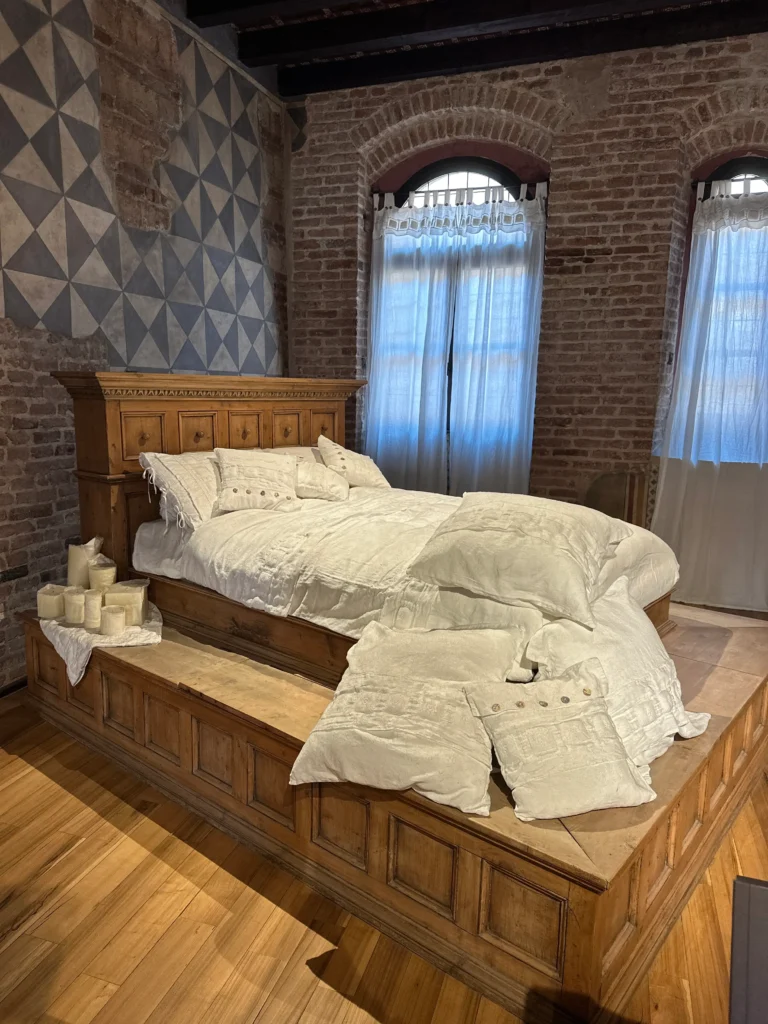
Inside Juliet’s House, Verona, you will find a small museum that explores the story of Romeo and Juliet. When we visited, there were only a few people inside. The space is not large, and you can walk through it fairly quickly.
The rooms contain paintings, period furnishings, theatrical costumes, and objects linked to different adaptations of the story. One notable piece on display is the bed used in the 1968 film adaptation directed by Franco Zeffirelli. For film fans, it is a fun detail that connects the fictional story to a real cultural moment.
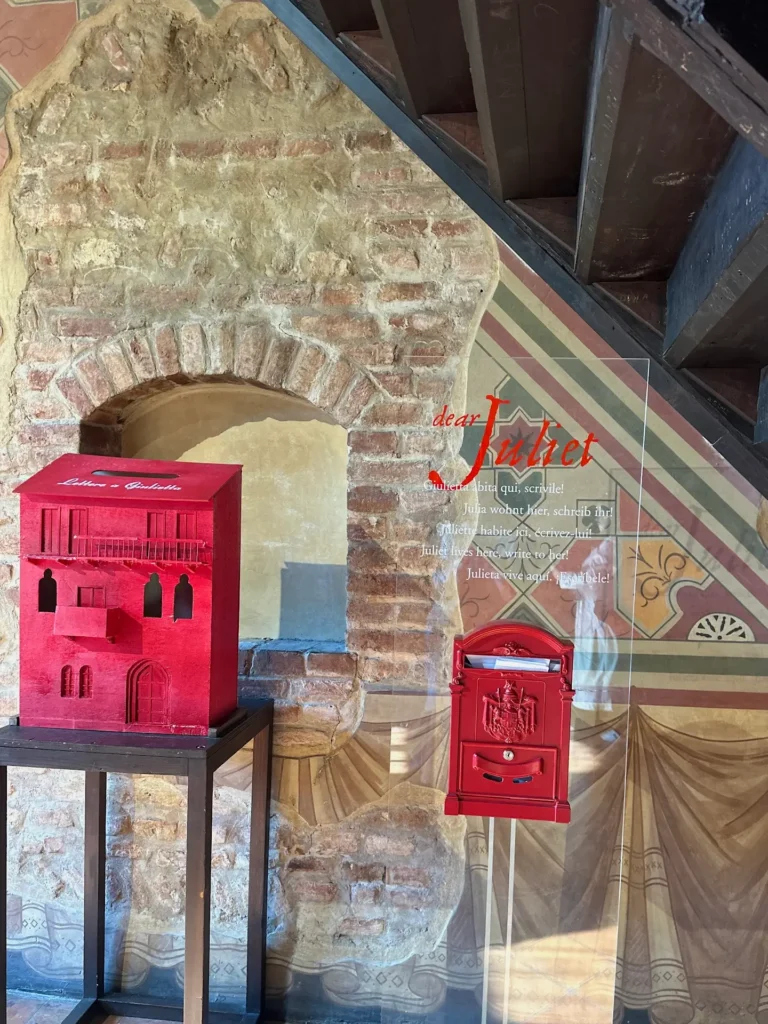
One of the most interesting parts of the museum is the Letters to Juliet display. People from around the world send messages about love, heartbreak, and relationships addressed to Juliet. Some of these letters are shown inside the museum, and visitors can also leave their own notes in designated boxes.
I really liked this section. The letters added a human element to the visit. I actually wished I had brought a pen so I could write one too.
Quick Tip: bring a pen with you if you want to leave a letter. Pens and paper are not always available.
Practical Tips Before You Go
Here are the key things to know before visiting Juliet’s House.
Address:
Via Cappello 23, Verona
Opening hours
- Tuesday to Sunday: 9:00 to 19:00
- Last entry to the house: 18:30
- Last entry to the courtyard: 18:40
- Closed on Mondays, December 25, and January 1
Tickets
- The Juliet’s House entry fee is €12 for a full ticket.
- Reduced ticket: €9 for seniors and groups of 15 or more.
- EU citizens aged 18 to 25: €3.
- Free entry: under 17, people with disabilities, and Verona Card holders
Juliet’s House Verona tickets must be reserved online through the official Musei Verona website. There is no ticket office at the entrance. If you have a Verona Card, entry is included. You still need to reserve a time slot online before arriving.
Getting there
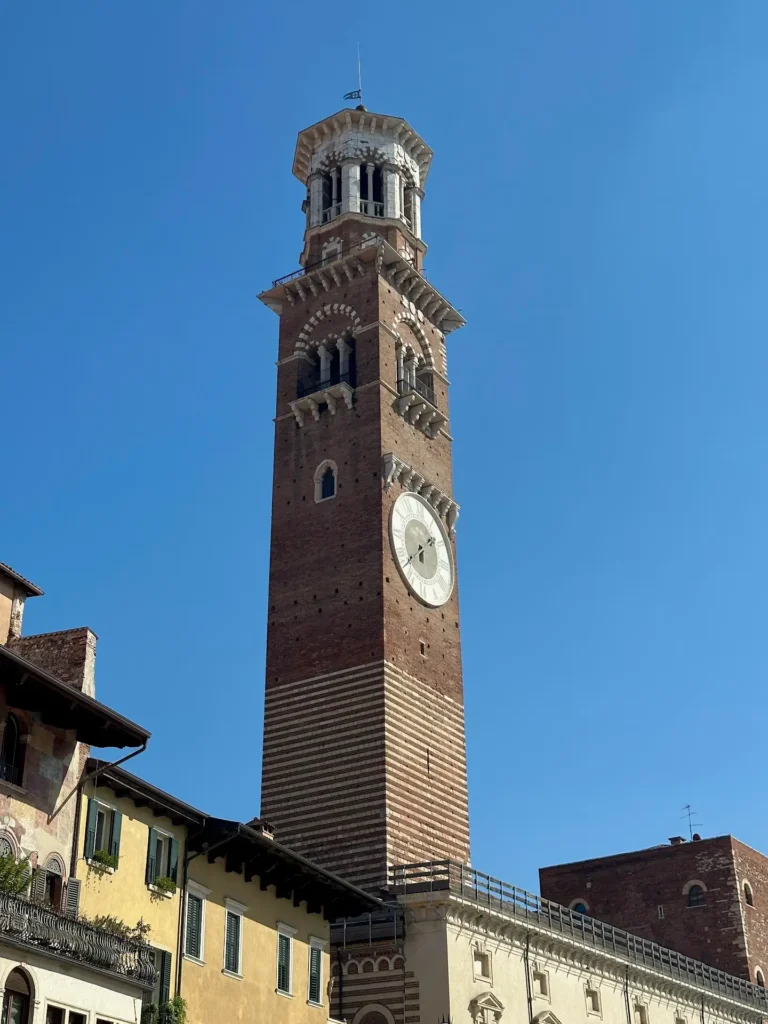
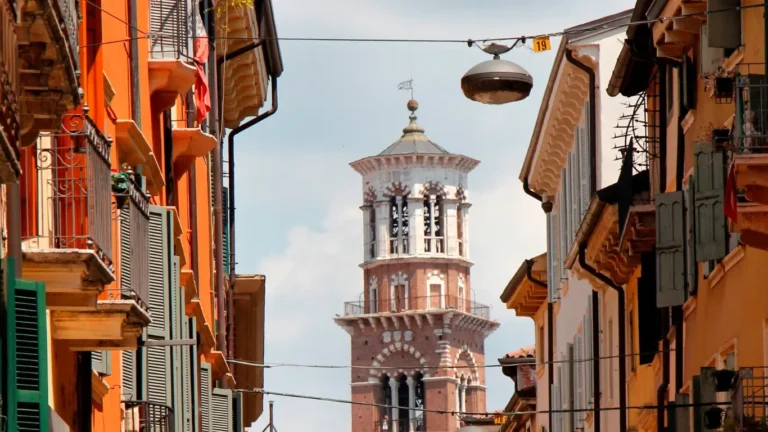
Juliet’s House is in the historic center and easy to reach on foot. It is about a 3- to 5-minute walk from Piazza delle Erbe. When we visited, we walked there after climbing Torre dei Lamberti. It fits naturally into a walking route that we did around the Centro.
FAQs: Visiting Juliet’s House, Verona
Is Juliet’s House free to visit in Verona
No. The courtyard, museum, and balcony now require a ticket. The standard Juliet’s House entry fee is €12. If you have a Verona Card, entry is included, but you still need to reserve a time slot online.
How long should I spend at Juliet’s House
Personally, I think spending about 20 to 30 minutes here is enough. The courtyard, balcony photo, and small museum can be explored quickly. If you want to read the letters or take photos, you may stay a little longer.
Is the Verona Card worth it for Juliet’s House
It can be worth it if you plan to visit several attractions in Verona. The Verona Card includes entry to Juliet’s House, Torre dei Lamberti, and other museums in the city.
If you only plan to visit Juliet’s House, buying a regular ticket may be enough.
What is the statue of Juliet and why do people touch it
The statue in the courtyard represents Juliet from Romeo and Juliet. Visitors traditionally touch Juliet’s right breast because it is believed to bring good luck in love. The statue outside today is a replica. The original was moved inside the museum to prevent damage.
Can I leave a letter at Juliet’s House
Yes. Visitors can leave letters to Juliet inside the museum. There are designated boxes where people drop notes about love and relationships.
Is Juliet’s balcony real
The balcony was added during a restoration between 1939 and 1940. It was built using older marble fragments to match the historic building. It is not the original balcony from the Romeo and Juliet story, which is fictional.
What to Do Next in Verona
Juliet’s House sits right in the middle of Verona’s historic center, so it is easy to continue exploring after your visit.
From here, you can walk a few minutes to Piazza delle Erbe, climb Torre dei Lamberti for a view of the city, or wander through the small streets of the centro. If you still have time later in the day, head up to Castel San Pietro for one of the best panoramic views of Verona.
If you want help planning your route, check out my full guide to my one day Verona itinerary to see how everything fits into a simple walking day.